
High Voltage LED Neon Strip Light (110V/220V) for Outdoor & Commercial Projects
- Can cut at designated points easily
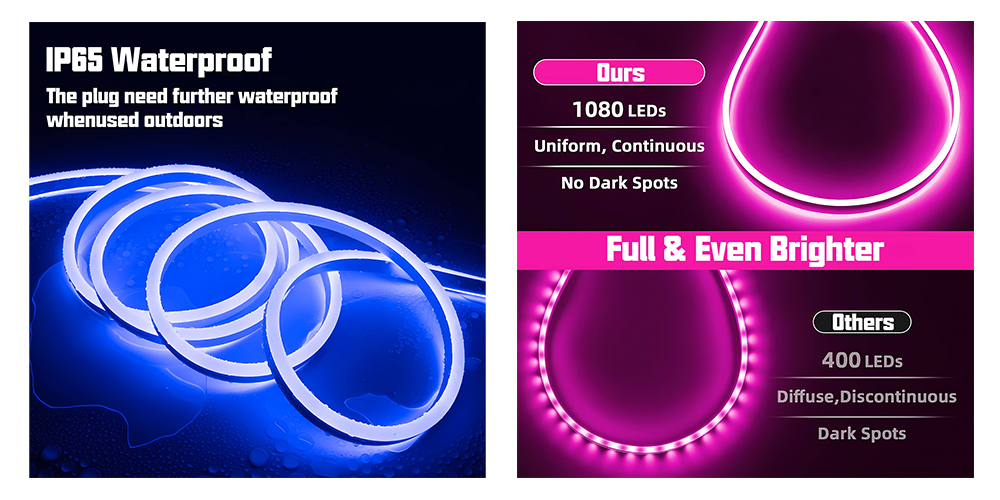
- Smooth neon effect, no visible LED dots
- Stable brightness with low voltage drop
- Supports 30–100 meters continuous run
- Flexible silicone bends along curves easily
- Ideal for buildings, signage, and landscapes
- Direct AC110V/220V input, no driver needed
- Waterproof design, suitable for outdoor use
110V 220V Neon Strip Series Index
What is 110/220V Neon Strip?
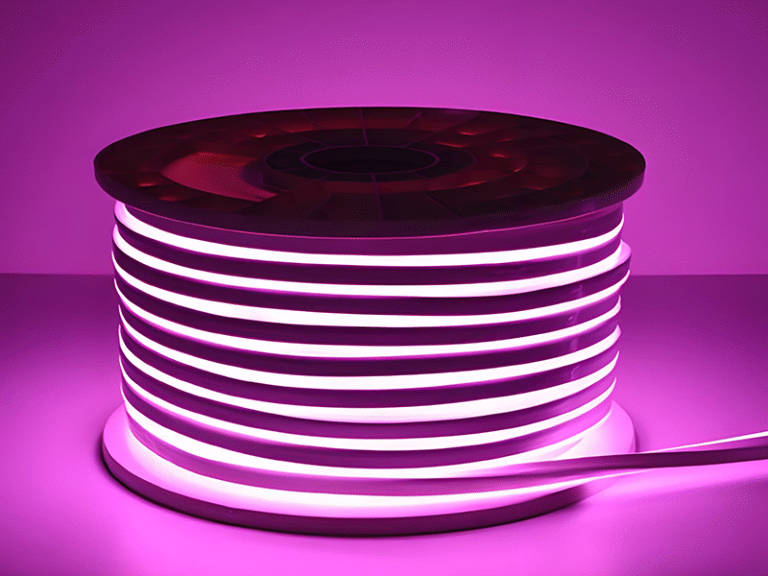
The 110/220V neon strip lights are a driverless LED neon strip light designed to run directly on 110V or 220V AC power, making it compatible with global voltage standards without external transformers or drivers, reducing installation cost and complexity. This 110V LED neon strip light / 220V neon flex strip uses high-brightness, low-power LEDs with a flexible neon rope lighting design, allowing easy bending for custom shapes and creative installations.
Built with waterproof and dustproof neon LED strip protection, it is suitable for both indoor and outdoor waterproof neon LED strip applications. Widely used for commercial signage neon strip lighting, architectural contour lighting, window displays, and interior decoration, the AC 110/220V LED neon strip light delivers a reliable, energy-efficient, and easy-to-install lighting solution for professional projects.
Get a Quote for 110V 220V Neon Strip
Produce
1. Raw material preparation
Purchase LED chips (high brightness chips), FPCB flexible boards, silicone rubber materials, conductive wires, connector accessories, etc. Inspect the quality of incoming materials to ensure that all components meet performance standards (such as brightness, voltage, fire rating, etc.).
2. Surface mount technology (SMT)
Attach LED chips and electronic components onto the FPCB flexible circuit board. Use reflow soldering technology to solder components to ensure reliable electrical connections.
3. Welding and Testing
Weld the wire (power cord) onto the FPCB. Preliminary lighting test to check for solder leaks and dead lights in the lamp beads.
4. Encapsulation/ Extrusion coating
Using a 110/220V silicone extrusion molding process, the entire FPCB is wrapped in silicone. Simultaneously complete the shaping and curing of the light strip, ensuring its flexibility, weather resistance, and uniformity of light.
5. Cutting and welding the tail
Cut according to customer requirements and weld the tail seal or joint.
6. Waterproof treatment
Waterproof sealing treatment shall be applied to the joint and tail of the light strip. Some models support IP67~IP68 waterproof rating and require special pressure testing.
7. Aging test
Turn on the light strip for long-term aging (usually 4-8 hours) to test its stability and heat dissipation performance.
8. Quality Inspection and Packaging
Comprehensive quality inspection (appearance, brightness, voltage, current, waterproof performance, etc.). After passing the inspection, proceed with packaging steps such as winding, labeling, bagging, and sealing.
110V 220V Neon Strip vs 12V 24V LED Strip
1. Installation & Power Supply
110V 220V LED neon strip lights are direct AC high-voltage systems, requiring no external transformer, making them ideal for long-distance outdoor projects. Compared with 12V 24V systems that need a driver, this simplifies installation and reduces wiring complexity. Many buyers choose a LED neon strip light supplier for outdoor projects to ensure stable performance in large-scale installations.
2. Long Run Distance
High-voltage neon flex supports long run LED neon strip 50m no voltage drop, making it suitable for continuous façade lighting and signage. In contrast, 12V/24V strips usually require multiple power feeds within 5–10 meters, limiting design flexibility.
3. Application & Environment
12V/24V strips are mainly used indoors, while waterproof LED neon strip for architectural lighting is preferred for outdoor façades, building outlines, and commercial projects. A reliable 110V 220V neon flex strip factory China can provide durable solutions for harsh environments.
4. Brightness & Stability
High-voltage neon strips maintain more consistent brightness over long distances, making them ideal for commercial neon strip light manufacturer OEM ODM projects such as signage, retail displays, and architectural lighting systems.
5. Cost & Efficiency
Although 12V/24V systems have lower material cost, 110V/220V neon strips reduce installation time and labor. Working with a commercial neon strip light manufacturer OEM ODM helps optimize cost efficiency for large-scale outdoor lighting projects.
Applications of 110V 220V LED neon Strip Lights
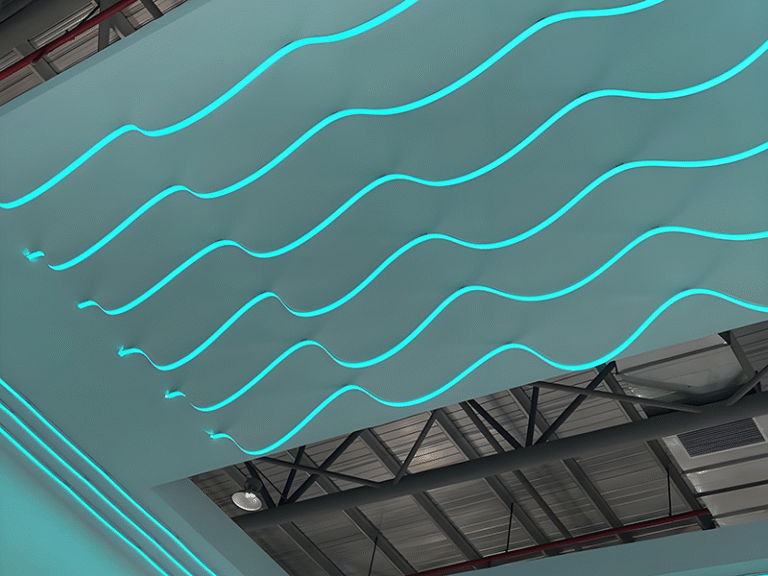
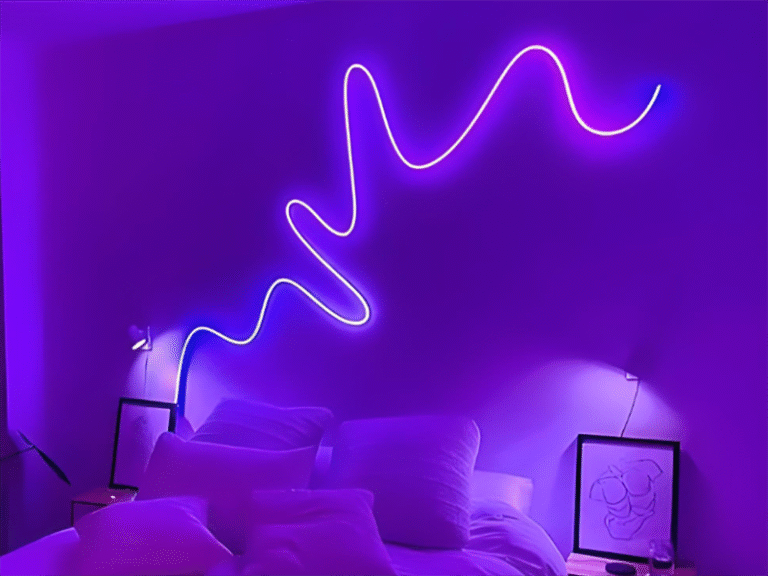
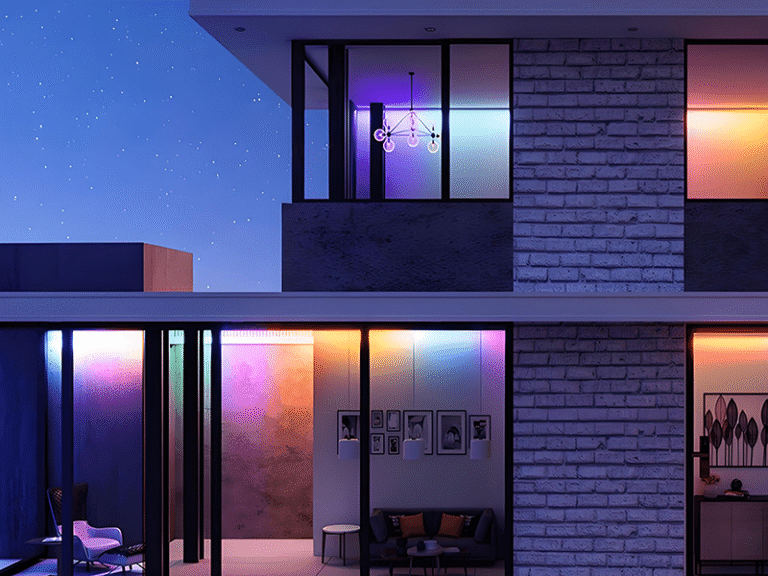
1. Building Facade Lighting
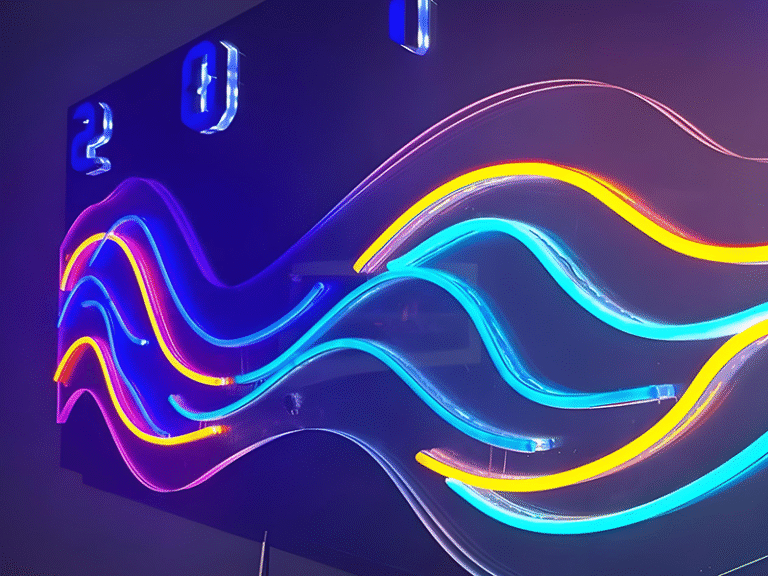
110V 220V LED neon flex outdoor is widely used for building outlines and architectural façades in hotels, offices, and commercial buildings. This LED neon strip for building outline lighting delivers a smooth, continuous glow ideal for modern exterior design.
2. Commercial Signage Lighting
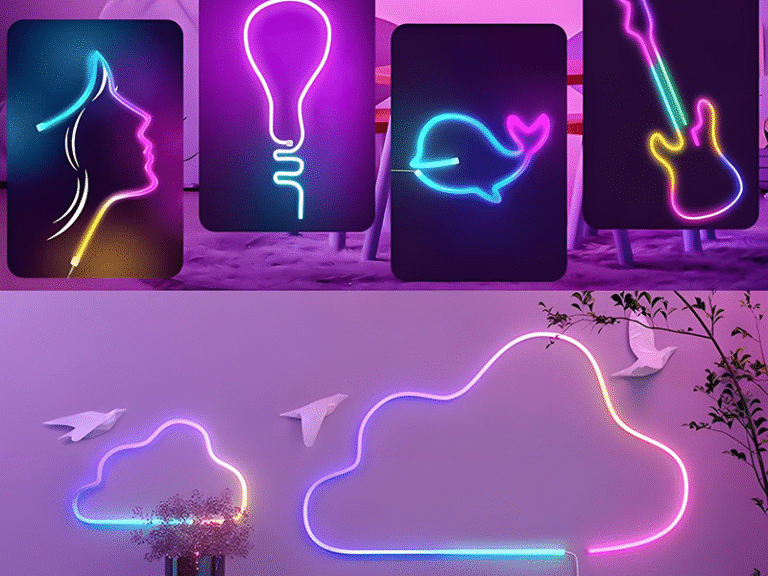
Perfect for shop logos and advertising, the cuttable flexible neon strip for signage projects provides bright, uniform illumination for retail stores, restaurants, and branding displays, making signage more eye-catching.
3. Landscape & Garden Lighting
In outdoor environments, these strips are commonly used for gardens, pathways, and landscape contour lighting. Choosing an outdoor IP67 LED neon flex lighting supplier ensures waterproof durability for long-term exterior use.
4. Bridge & Urban Lighting
Thanks to long-run performance, they are ideal for bridge edges and city nightscape projects. Many contractors source from a factory direct LED neon strip wholesale price supplier for large-scale infrastructure lighting.
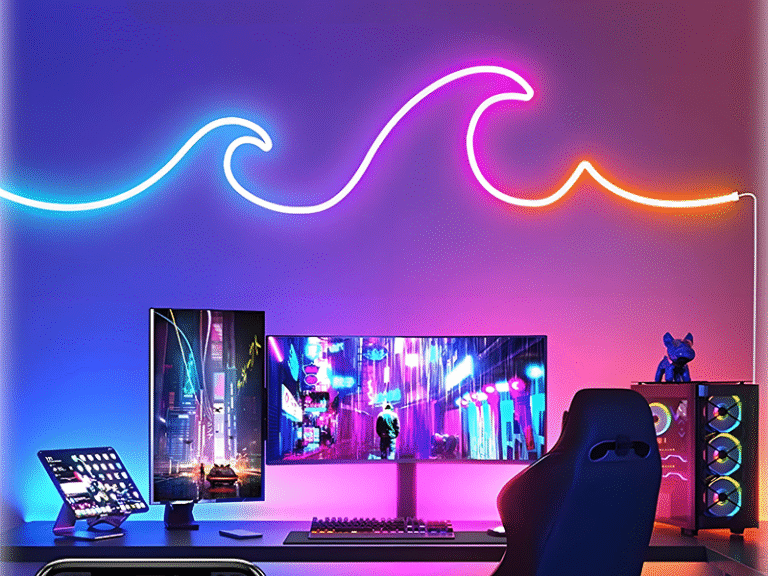
5. Interior Decorative Lighting
Inside commercial spaces like bars and clubs, they are used for ceiling outlines and ambient effects. Custom LED neon strip lighting for commercial use allows flexible design for different interior styles and branding needs.
Key Features of 110V/220V high voltage neon strip supplier
110V/220V neon led strip are widely used in commercial signage, architectural contour lighting, indoor and outdoor decoration, stage setups, and urban nightscape illumination. Their high-voltage operation eliminates the need for complex drivers, making installation simple and reliable. They are ideal for large-scale continuous installations, delivering bright and even lighting that enhances visual impact and ambiance. Whether for shopping mall signs, hotel lobbies, festive decorations, or public facility lighting, and outdoor led strip lights110V/220V neon provide a durable and efficient lighting solution.
Classification for 110v neon strip light
LED 110/220V neon light strips are mainly divided into single color and RGB color.
The LED 110/220V neon strip lights is a high-voltage lighting solution designed for long-distance installations, operating directly from mains power without the need for an external driver, offering easy installation and high efficiency. It comes in two types: single-color and RGB. The single-color version delivers stable light output with high brightness, ideal for outline lighting, signage, and architectural decoration where a fixed color is desired; the RGB version, controlled via a controller, allows multiple color changes and dynamic effects such as fading, jumping, and flashing, making it perfect for stage ambiance, festive decorations, and creative lighting designs. Both types feature flexibility, waterproof performance, and weather resistance, making them suitable for a wide range of indoor and outdoor applications.
Product name | Product size(W*H) | Input voltage | Item No | Lighting color | LED/m | PCB width | Power/m | Cuttable length |
High voltage Single color | 08*16mm | AC220V | GL-A-2835 -120D-220V | 3000-600K Red、Green、Bule、Yellow | 120 | 6mm | 6W | 1M/Cut |
High voltage RGB color | 10*20mm | AC220V | GL-B-5050 RGB-60D-220V | RGB | 60 | 10mm | 10W | 1M/Cut |


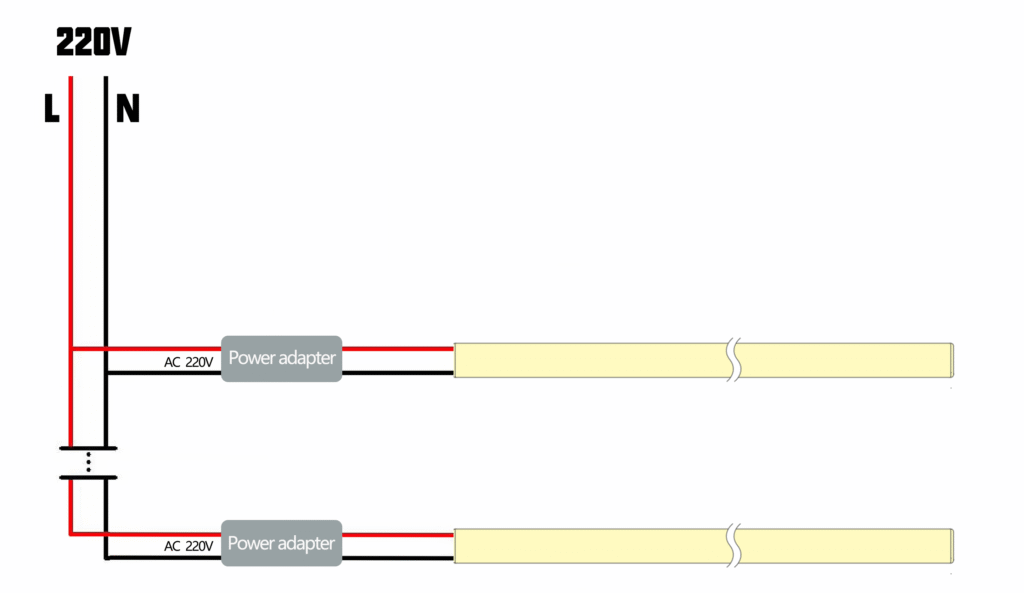
The Connection of 110/220V Neon Strip
The wiring diagram for 110V/220V LED neon flex strip is simple and installation-friendly. It connects directly to AC mains (110V or 220V) via a plug power cord with a built-in rectifier/bridge rectifier, ensuring stable current for the neon LED tape.
This high voltage LED neon strip wiring setup typically uses a single-end power input design, while the opposite end is sealed with an end cap to maintain waterproof protection. Correct polarity and secure connection are essential for safe operation and long-term performance.
For outdoor LED neon flex installation or damp environments, it is recommended to use waterproof sealing rings, silicone sealant, and proper IP protection accessories. This ensures reliable performance for waterproof LED neon strip lighting projects, including façade lighting, signage, and architectural outline lighting.
110/220V neon strip product video
The 110/220V neon led light strips features easy installation, high brightness, and the ability to operate over long distances without the need for an external power supply. Designed to run directly on 110V or 220V mains voltage, it eliminates the complexity of traditional low-voltage systems. Using high-brightness LEDs encased in flexible silicone or PVC, it offers excellent flexibility, weather resistance, and can be cut to custom lengths. With an IP65 to IP67 waterproof rating, it is suitable for a wide range of outdoor environments. This makes it ideal for commercial signage, outdoor advertising, bridge lighting, festive decorations, landscape projects,and architectural area lighting. Especially in engineering applications, it provides a practical solution for efficient installation and extended illumination.
FAQ About 110V 220V LED Neon Strip
1.Can 110V 220V LED neon strip lights be used outdoors?
Yes, 110V/220V LED neon strip lights are ideal for outdoor and commercial lighting projects. With IP65–IP67 waterproof protection, they perform well in rain, dust, and long-term exterior use such as façade lighting and signage. Bulk supply is available from a bulk order 110V neon strip supplier for large projects.
2.What is the maximum continuous run length of 220V LED neon flex?
220V LED neon flex supports long runs of 30–100 meters with minimal voltage drop, making it perfect for architectural and commercial installations. It reduces power connections and installation cost. Many wholesale LED neon flex factory China suppliers offer customized lengths for project needs.
3.Is high voltage LED neon strip safe for commercial use?
Yes, when installed correctly with proper insulation and connectors, high voltage LED neon strip is safe for malls, hotels, and outdoor signage. For project-based sourcing, OEM outdoor neon strip manufacturer pricing is available for customized safety and performance requirements.
4.Where are 110V LED neon strip lights commonly used?
They are widely used in building outlines, storefront lighting, landscape decoration, and commercial facade lighting. Their brightness and flexibility make them ideal for large-scale LED neon lighting applications from wholesale LED neon flex factory China suppliers.
5.How to install 220V LED neon strip lights safely?
Installation requires correct wiring, waterproof sealing, and proper connectors to ensure stable outdoor performance. For bulk projects, many contractors source directly from a bulk order 110V neon strip supplier to ensure consistent quality and faster delivery.
6.Difference between 110V/220V neon strip and 12V/24V strips?
High voltage neon strips support longer runs with fewer power supplies, making them ideal for commercial and outdoor projects. Low voltage strips are safer for small indoor use but require more frequent wiring. OEM customization is available from OEM outdoor neon strip manufacturer pricing suppliers.
7.Can 110V 220V LED neon strips be cut and customized?
Yes, they can be cut at marked points for flexible installation in different projects. Proper sealing is required after cutting to maintain waterproof performance. Custom lengths and branding options are available from a wholesale LED neon flex factory China.
Certificate
To ensure the best user experience and the safety and quality of our LED sheet, we do our utmost to make every production step in good control and inspection. We are now hold the certificate for different market, such as UL, cUL, CE, UKCA, C-TICK, ect.


