
Waterproof LED Silicone Diffuser Tube Manufacturer & Supplier
- Flexible neon and silicone tube lighting
- Custom OEM ODM LED strip manufacturing
- High brightness LED strip lighting solutions
- Waterproof IP67 IP68 outdoor lighting strips
- Energy efficient low voltage lighting systems
- Fast global shipping and factory direct supply
- Durable long lifespan commercial grade LEDs
- Wide application for architectural lighting projects
Silicon Tube Series Index
What is Ssilicone LED tube lighting
Silicone tube LED is a flexible diffuser lighting system designed to protect LED strips while creating a smooth, dot-free lighting effect.
It is widely used for:
- Architectural facade lighting
- Commercial decoration lighting
- Outdoor landscape lighting
- Linear LED neon replacement systems
Compared with traditional PVC or acrylic channels, silicone tubes offer:
✔ Better flexibility
✔ Higher waterproof level
✔ Softer & more uniform light output
✔ UV & aging resistance
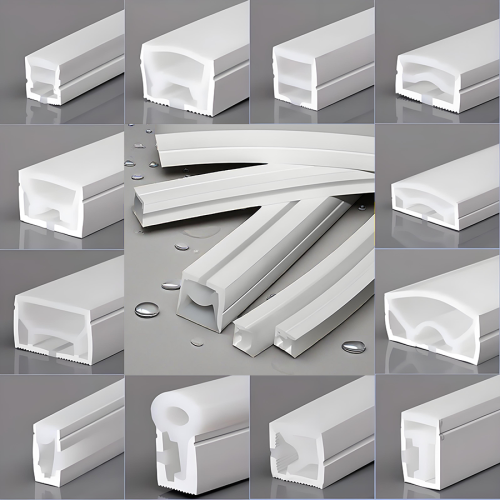
Why Choose Our Silicone Tube Series?
1. Professional LED Factory Manufacturing
With 13+ years LED lighting manufacturing experience, we ensure stable quality and scalable production for global projects.
2. Superior Waterproof Performance (IP65–IP68)
Perfect for outdoor lighting, building facade, garden, and coastal projects.
3. High Light Diffusion Design
No dots, no glare — smooth linear lighting for premium architectural applications.
4. Flexible & Easy Installation
Can be freely bent, cut, and customized for different project requirements.
5. OEM / ODM Customization Available
- Custom diameter & shape
- Custom LED strip integration
- Branding & packaging support
Produce
1. Raw material preparation
Purchase LED chips (high brightness chips), FPCB flexible boards, silicone rubber materials, conductive wires, connector accessories, etc. Inspect the quality of incoming materials to ensure that all components meet performance standards (such as brightness, voltage, fire rating, etc.).
2. Surface mount technology (SMT)
Attach LED chips and electronic components onto the FPCB flexible circuit board. Use reflow soldering technology to solder components to ensure reliable electrical connections.
3. Welding and Testing
Weld the wire (power cord) onto the FPCB. Preliminary lighting test to check for solder leaks and dead lights in the lamp beads.
4. Encapsulation/ Extrusion coating
Using a Silicon tube silicone extrusion molding process, the entire FPCB is wrapped in silicone. Simultaneously complete the shaping and curing of the light strip, ensuring its flexibility, weather resistance, and uniformity of light.
5. Cutting and welding the tail
Cut according to customer requirements and weld the tail seal or joint.
6. Waterproof treatment
Waterproof sealing treatment shall be applied to the joint and tail of the light strip. Some models support IP67~IP68 waterproof rating and require special pressure testing.
7. Aging test
Turn on the light strip for long-term aging (usually 4-8 hours) to test its stability and heat dissipation performance.
8. Quality Inspection and Packaging
Comprehensive quality inspection (appearance, brightness, voltage, current, waterproof performance, etc.). After passing the inspection, proceed with packaging steps such as winding, labeling, bagging, and sealing.
Request Your Custom Lighting Solution
Applications of Silicone LED Tube Lighting
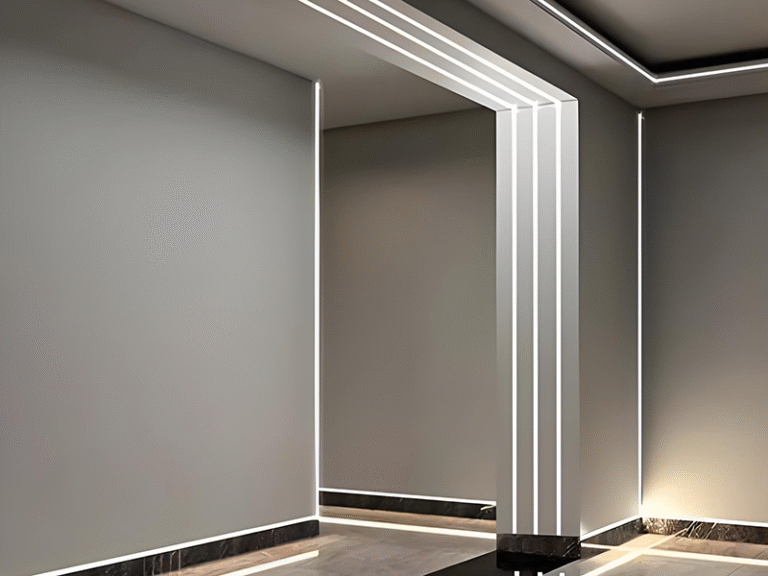
🏢 Architectural Lighting
Modern building facade lighting, hotel exterior decoration, bridge lighting systems.
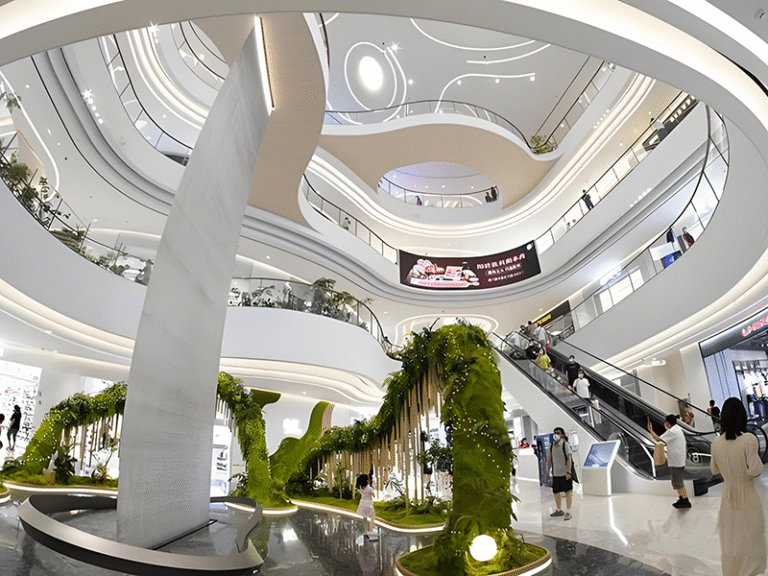
🛍 Commercial Lighting
Shopping mall lighting, retail store display lighting, brand flagship stores.
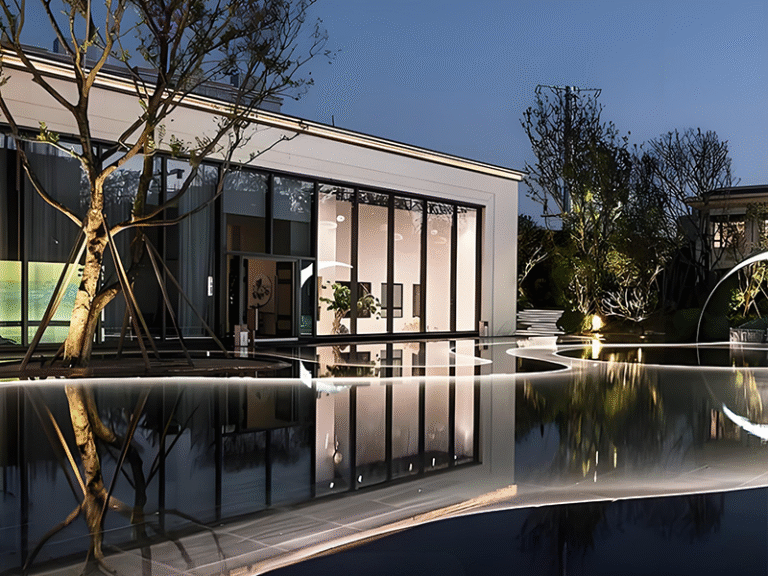
🌿 Outdoor Landscape Lighting
Garden lighting, park lighting, waterfront lighting, city decoration projects.
💡 LED Neon Replacement System
Perfect alternative to traditional neon tubes with safer, longer lifespan performance.
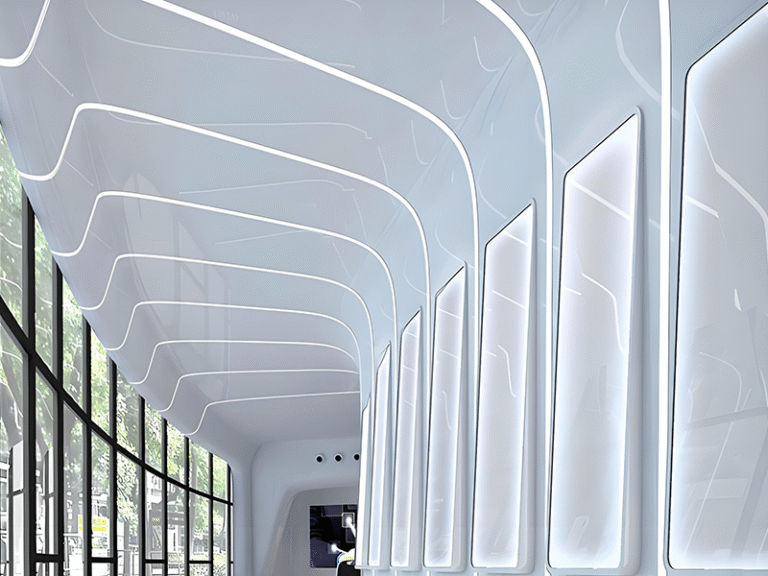

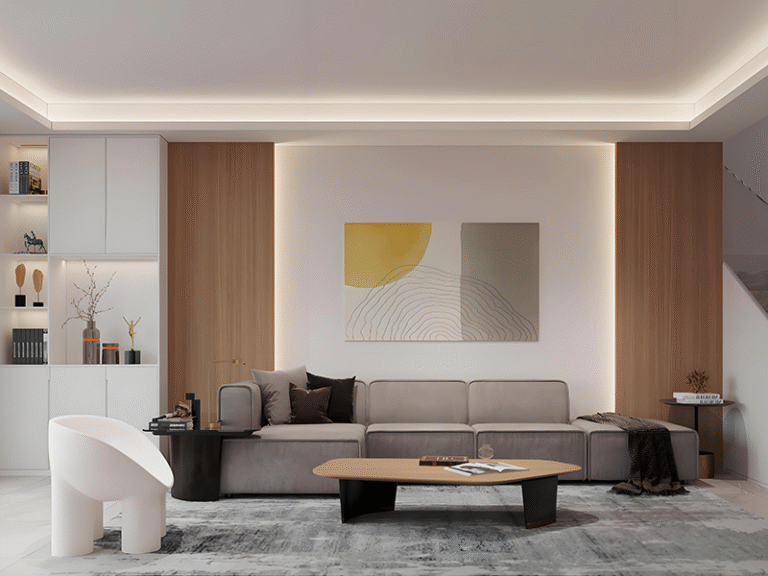
Calssfication and Product specification
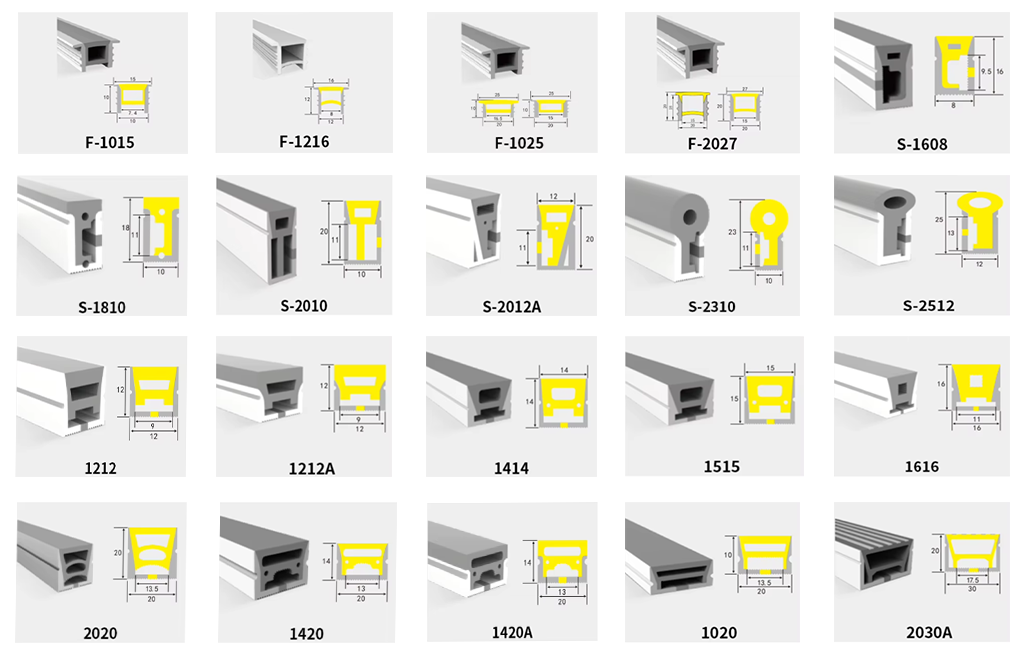
LED Silicone Tubes are mainly categorized into three types based on structure and light-emitting direction: Top Bend, Side Bend, and 360° full-emitting.
Top Bend is designed for vertical bending, making it ideal for architectural outlines, signage lighting, and clean linear installations. It is often used in architectural LED neon tube system designs where precise contour lighting is required.
Side Bend supports horizontal bending, making it suitable for complex curve structures and creative lighting layouts. It works perfectly with flexible LED silicone diffuser channel solutions, ensuring smooth light diffusion along irregular shapes.
360° full-emitting delivers all-around illumination, providing uniform brightness from every angle. This type is widely used in decorative and immersive lighting environments, especially in outdoor projects requiring waterproof silicone LED tube for outdoor lighting performance.
All types support multiple color options such as single color, RGB, RGBW, and various voltage specifications, ensuring flexible installation for both indoor and outdoor lighting applications with high durability and design freedom.
Boost Your Lighting Project Today
Silicon waterproof silicone LED tube IP68 product video
The LED Silicones Tubes strip light features a flexible silicone housing that offers excellent waterproof, dustproof, and weather-resistant performance, making it ideal for both indoor and outdoor lighting and decoration applications. With a compact structure and uniform light output, it delivers smooth illumination without dark spots. Its high flexibility allows for easy bending and shaping to fit various design needs. Available in multiple color options such as single color, dual color, RGB, and RGBW, the strip is compatible with various control systems including PWM, DMX, and SPI, enabling both static and dynamic lighting effects. It supports multiple installation methods like clips, aluminum channels, or adhesive mounting. Widely used in architectural outlines, commercial signage, window displays, and landscape lighting, the LED Silicon Tube strip provides a high-quality, visually appealing, and versatile lighting solution.
Certificate
To ensure the best user experience and the safety and quality of our silicon tube, we do our utmost to make every production step in good control and inspection. We are now hold the certificate for different market, such as UL, CUL, CE, UKCA, C-TICK, ect..


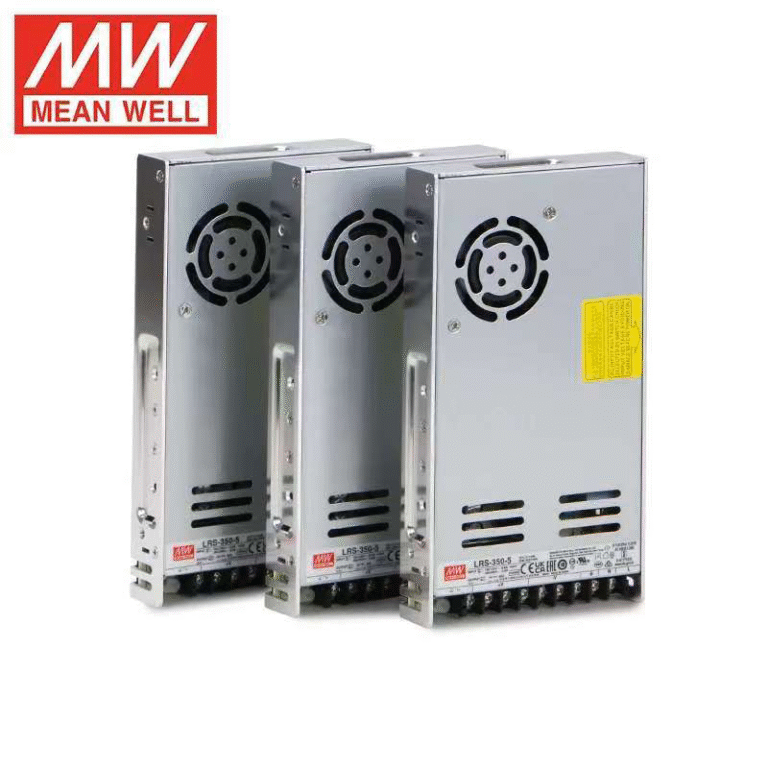
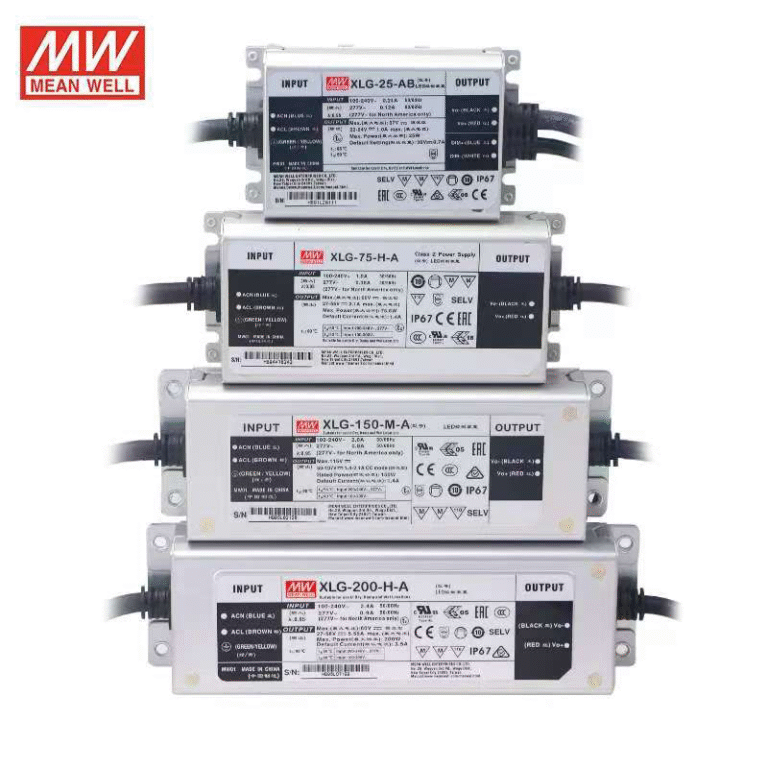
Power Supply & LED Controller
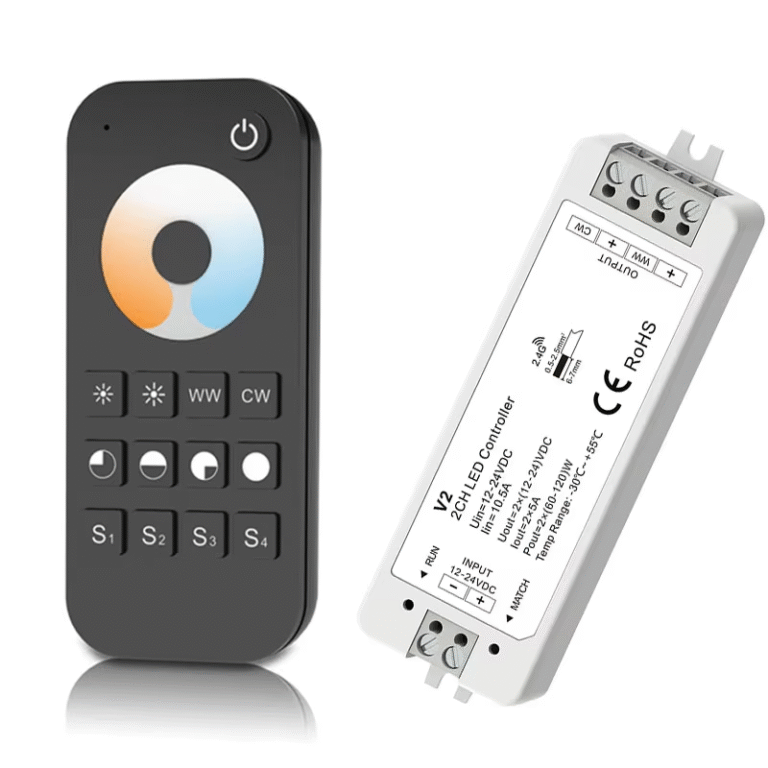
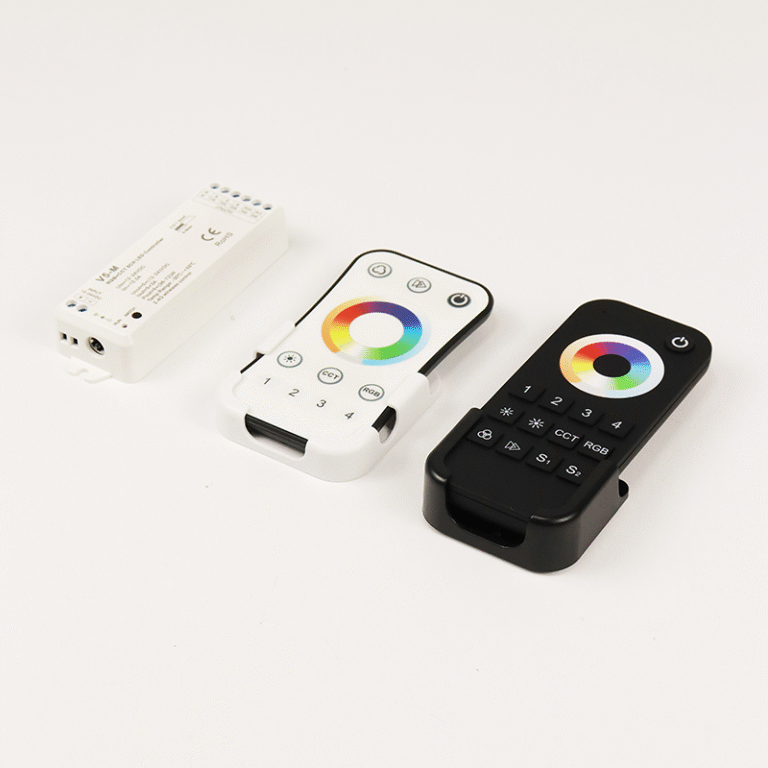
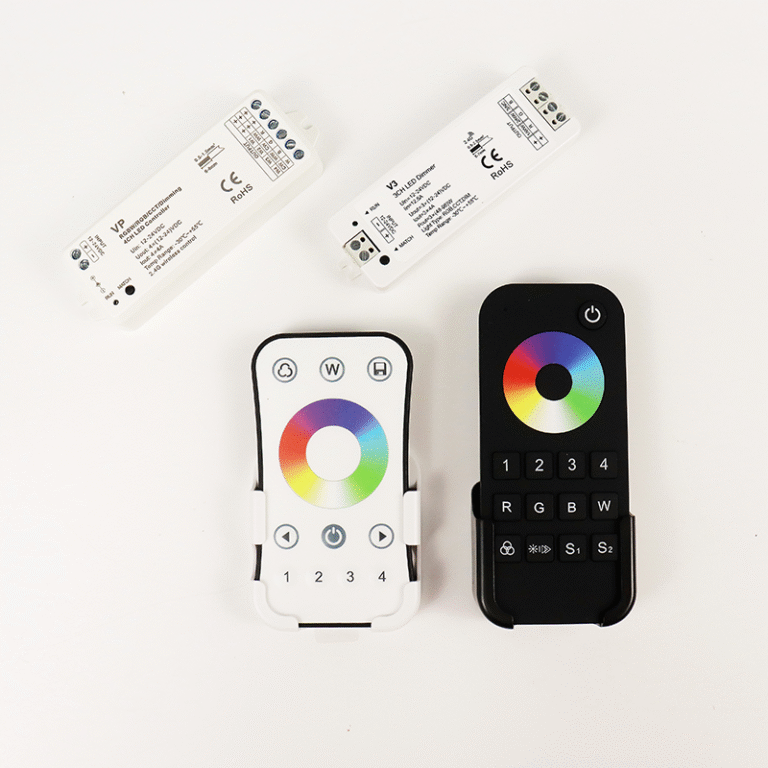
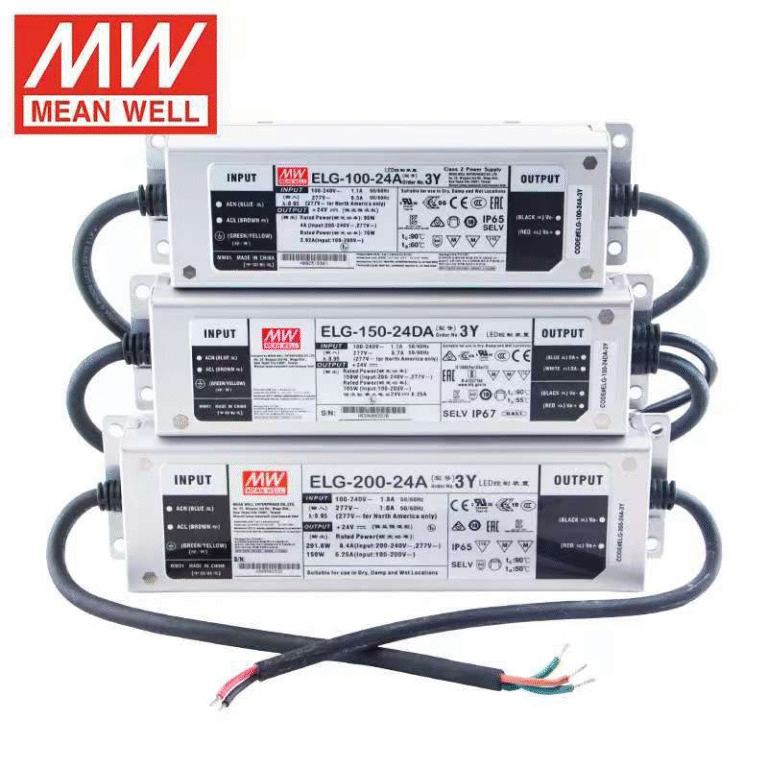
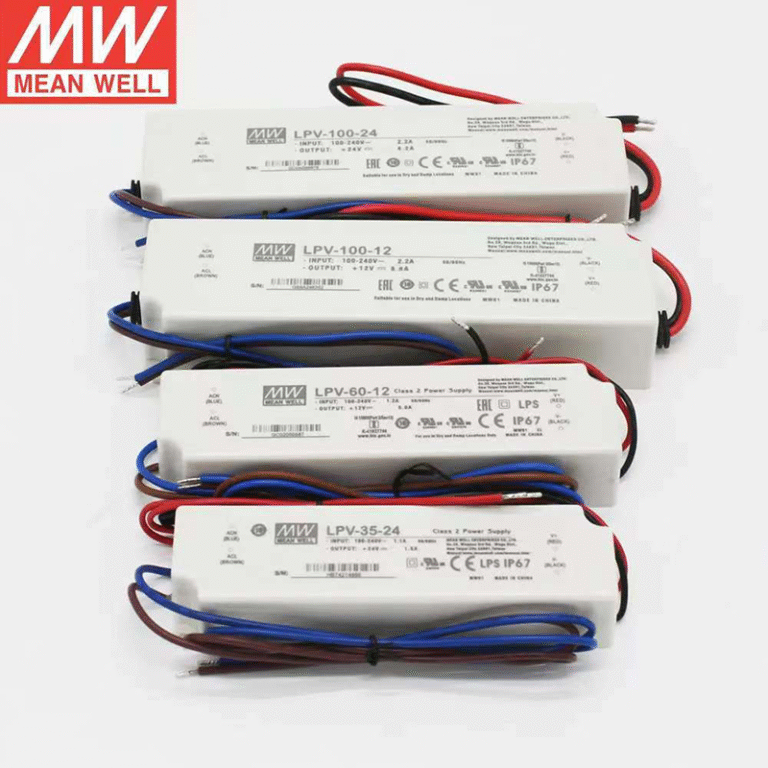
LED Silicon Tube light strips typically require a DC power supply and compatible controller. The standard operating voltages are 12V or 24V, and the power supply should be selected based on the strip’s length and wattage. Single-color strips only need a constant voltage power supply, while RGB, RGBW, or addressable versions require dedicated controllers—such as RF remote controllers, WiFi/APP controllers, DMX512 controllers, or SPI addressable controllers—to achieve dynamic lighting effects. The controller must match the LED chip type, channel configuration, and desired functions to ensure smooth and stable performance.
FAQ – Silicone LED Tube Lighting
1. What is silicone LED tube lighting used for?
Silicone LED tube lighting is widely used for architectural outline lighting, signage, and outdoor decoration. It provides a flexible and durable solution for both commercial and residential lighting projects. Many designers choose silicone neon tube lighting for its uniform glow and modern appearance.
2. Is silicone LED tube waterproof for outdoor use?
Yes, most silicone LED tube lighting products are designed with IP67 or IP68 waterproof protection. This makes them suitable for outdoor façade lighting, landscape lighting, and wet environments. Waterproof silicone neon tube lighting ensures stable performance even in rain or humid conditions.
3. What is the difference between silicone LED tube and LED strip light?
Silicone LED tube lighting has a fully encapsulated structure that offers better protection and a smoother neon-like lighting effect. Compared to standard LED strip lights, silicone neon tube lighting is more durable and resistant to UV, dust, and water. It is often used for architectural neon flex lighting where visual uniformity is important.
4. Can silicone LED tube lighting be cut or customized?
Yes, flexible silicone LED tube lighting can usually be cut at marked intervals depending on the model. This allows easy customization for signage, linear lighting, or architectural installation. Many OEM silicone neon tube lighting suppliers also offer custom lengths and shapes for project requirements.
5. What voltage options are available for silicone neon tube lighting?
Silicone LED tube lighting is commonly available in 12V, 24V, and 220V versions depending on the application. Low-voltage flexible silicone LED tube is safer for indoor decorative lighting, while high-voltage versions are suitable for long-distance installation. Choosing the right voltage ensures stable performance and energy efficiency.
6. Is silicone LED tube lighting suitable for architectural projects?
Yes, silicone neon tube lighting is widely used in architectural façade lighting, building outlines, and modern urban design projects. Its flexible structure allows smooth curves and creative shapes on different surfaces. This makes it ideal for architectural silicone LED tube lighting applications requiring both aesthetics and durability.
7. Do you provide OEM or factory customization for silicone LED tube lighting?
Yes, many manufacturers offer OEM and ODM services for silicone LED tube lighting, including custom color temperature, length, and waterproof level. This is especially useful for branding projects, signage companies, and lighting contractors. Working with a silicone neon tube lighting factory ensures better pricing and project consistency.