
Addressable SPI DMX Neon Strip | Programmable Pixel Neon Flex Lighting Solution
- Wide compatibility with DMX512, Art-Net and SPI controllers
- Addressable LED neon strip supporting SPI and DMX control
- High brightness output with consistent and uniform illumination
- IP67 waterproof design for reliable outdoor lighting applications
- Flexible neon strip structure for complex installation environments
- Custom lighting solutions for commercial and large scale projects
- Stable signal transmission for long distance lighting control systems
- Pixel programmable lighting effects for dynamic architectural projects
Addressable SPI&DMX neon strip Series Index
What is Addressable SPI&DMX neon strip?
The Addressable SPI & DMX neon Led Strip is a flexible neon light that supports individual pixel control, combining SPI and DMX protocols to achieve dynamic lighting effects such as chasing, flowing, color jumping, and music synchronization. Compatible with various control ICs like WS2811 and SK6812, it can be operated via SPI controllers or integrated into professional DMX systems. Ideal for architectural outlines, stage lighting, and signage, this strip features high flexibility, excellent waterproof performance, and a wide range of customizable lighting effects.

SPI vs DMX Addressable Neon Strip Comparison


1. Control system and signal transmission
SPI addressable LED strip controller systems use a simpler signal structure, suitable for short to medium distance programmable LED neon strip installations with detailed pixel effects. In contrast, DMX512 neon flex lighting systems use a more stable differential signal, making them ideal for long-distance architectural lighting projects and large commercial lighting networks.
2. Project scale and application suitability
SPI-based addressable neon strip is commonly used in small to medium creative lighting projects such as interior decoration, retail displays, and stage pixel LED strip lighting effects. DMX addressable neon strip is better suited for large-scale architectural facade lighting, outdoor building outlines, and professional entertainment lighting systems requiring synchronized control across long distances.
3. Performance, stability and installation
SPI systems offer flexible programming and lower cost for dynamic lighting effects, but they are more sensitive to signal distance and require careful wiring in complex installations. DMX addressable LED neon strip provides higher stability, stronger anti-interference capability, and is widely used in outdoor pixel neon strip lighting systems for long-term commercial and architectural applications.
Get Wholesale Price in 24 Hours
Addressable SPI DMX Neon Strip VS Top Bend LED Neon Strip


1. Control Method and Functionality
An SPI DMX addressable neon flex strip supports individual pixel control, enabling chasing, gradient, and animation effects, widely used in stage lighting pixel LED strip projects and interactive lighting systems.
In contrast, a top bend LED neon strip typically uses single-color or overall RGB control, making it suitable for outdoor building facade LED neon lighting with simpler lighting needs.
2. Lighting Performance
A programmable pixel LED neon strip delivers dynamic visual effects, ideal for commercial displays and media facade lighting.
Meanwhile, a top emitting LED neon flex strip lighting provides uniform and continuous illumination, perfect for linear architectural lighting applications and interior design.
3. Installation and Bending Direction
An addressable LED neon strip with DMX512 control system requires controllers and signal wiring, making it more suitable for professional engineering projects.
On the other hand, a top bend neon strip light for signage lighting supports vertical bending, making it easier to install for signage, lettering, and contour lighting.
4. Application Scenarios
A DMX pixel LED neon strip for stage and entertainment lighting is commonly used in stages, bars, and building media facades where dynamic effects are required.
In comparison, a top bend LED neon strip for indoor and outdoor decorative lighting is widely used in cabinet lighting, architectural outlines, and commercial ambient lighting.
5. Cost and System Complexity
SPI addressable RGB neon strip supplier solutions generally have higher costs due to controllers and programming requirements.
By contrast, standard top bend LED neon strip factory products are more cost-effective and suitable for large-scale basic lighting projects.
| Item | Addressable SPI DMX Neon Strip | Top Bend LED Neon Strip |
|---|---|---|
| Control Method | SPI / DMX512 individual control | Single color or overall RGB control |
| Lighting Effect | Dynamic, programmable, pixel-level | Uniform continuous lighting |
| Installation | More complex (requires control system) | Easy and direct installation |
| Bending Direction | Multiple bending options | Top bending (vertical bend) |
| Applications | Stage, media facade, dynamic lighting | Architectural outlines, signage, linear lighting |
| Cost | Higher | More cost-effective |
Get Factory Direct Pricing Today
Produce for Neon strip light
1. Raw material preparation
Purchase LED chips (high brightness chips), FPCB flexible boards, silicone rubber materials, conductive wires, connector accessories, etc. Inspect the quality of incoming materials to ensure that all components meet performance standards (such as brightness, voltage, fire rating, etc.).
2. Surface mount technology (SMT)
Attach LED chips and electronic components onto the FPCB flexible circuit board. Use reflow soldering technology to solder components to ensure reliable electrical connections.
3. Welding and Testing
Weld the wire (power cord) onto the FPCB. Preliminary lighting test to check for solder leaks and dead lights in the lamp beads.
4. Encapsulation/ Extrusion coating
Using a Addressable SPI & DMX silicone extrusion molding process, the entire FPCB is wrapped in silicone. Simultaneously complete the shaping and curing of the light strip, ensuring its flexibility, weather resistance, and uniformity of light.
5. Cutting and welding the tail
Cut according to customer requirements and weld the tail seal or joint.
6. Waterproof treatment
Waterproof sealing treatment shall be applied to the joint and tail of the light strip. Some models support IP67~IP68 waterproof rating and require special pressure testing.
7. Aging test
Turn on the light strip for long-term aging (usually 4-8 hours) to test its stability and heat dissipation performance.
8. Quality Inspection and Packaging
Comprehensive quality inspection (appearance, brightness, voltage, current, waterproof performance, etc.). After passing the inspection, proceed with packaging steps such as winding, labeling, bagging, and sealing.
Applications of Addressable SPI DMX Neon Strip
1. Architectural facade lighting
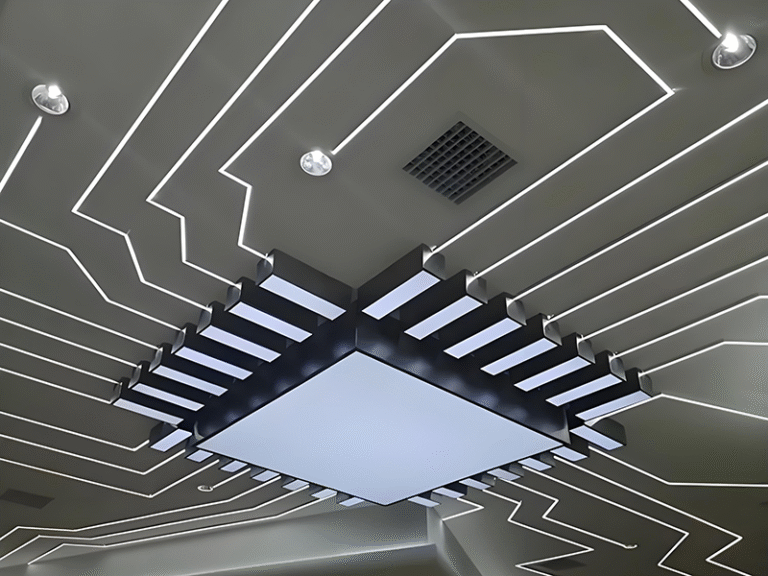
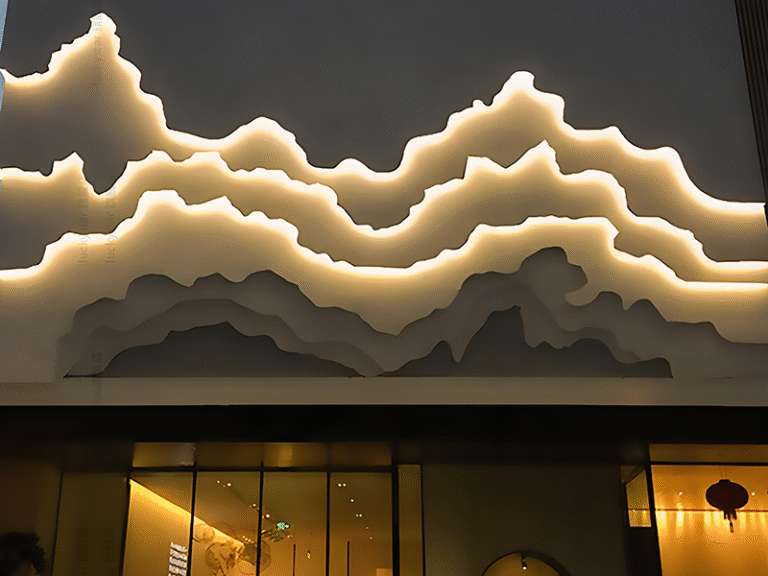
Addressable SPI DMX neon strip is ideal for building exterior lighting, creating flowing light effects on architectural facade lighting projects. It supports programmable LED neon strip systems for dynamic contour outlining and modern city landmark designs.
2. Commercial signage lighting
It is commonly used in commercial signage lighting where brand logos and advertising boards require animated lighting effects. DMX512 neon flex lighting ensures stable long-distance control for large outdoor signage installations.
3. Stage and event lighting
For concerts and entertainment projects, addressable neon strip provides pixel LED strip lighting effects that sync with music and performance. SPI addressable LED strip controller systems make it easy to create moving light patterns on stage backgrounds.
4. Smart building lighting systems
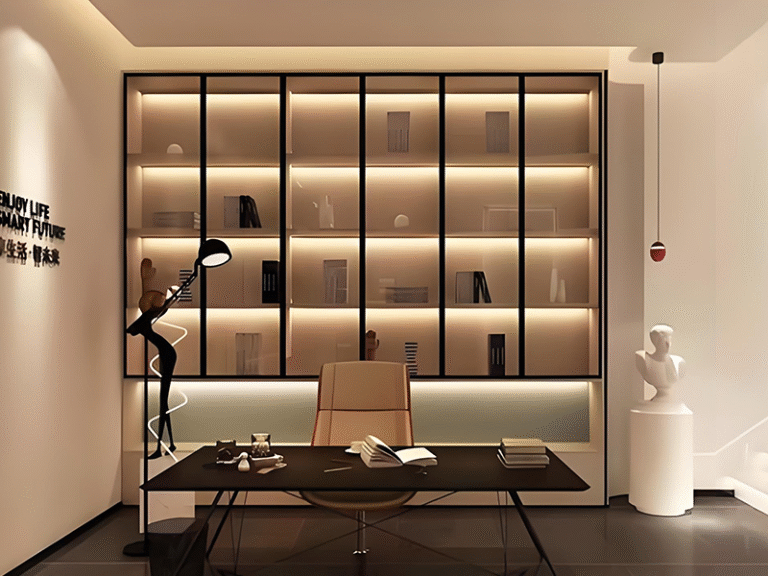
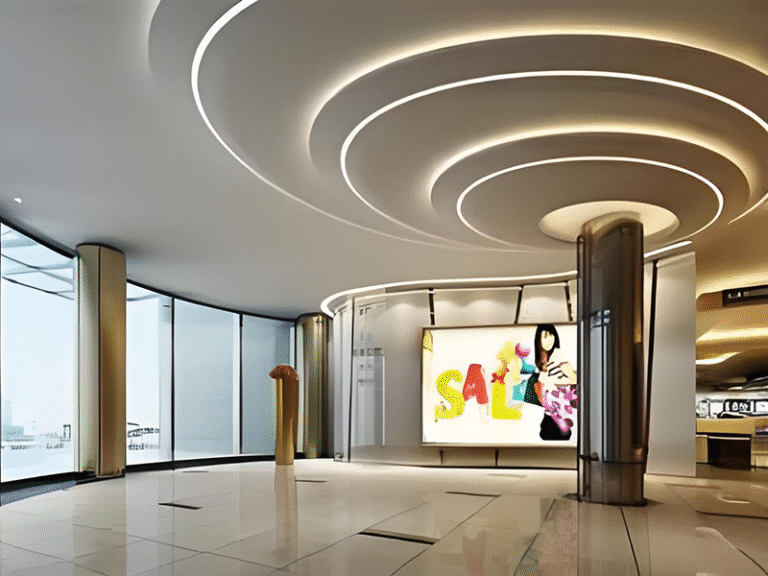
In smart building lighting systems, SPI DMX addressable neon strip enables centralized control and programmable scenes. It is often integrated into intelligent lighting networks for energy-efficient and automated lighting control.
5. Outdoor landscape lighting
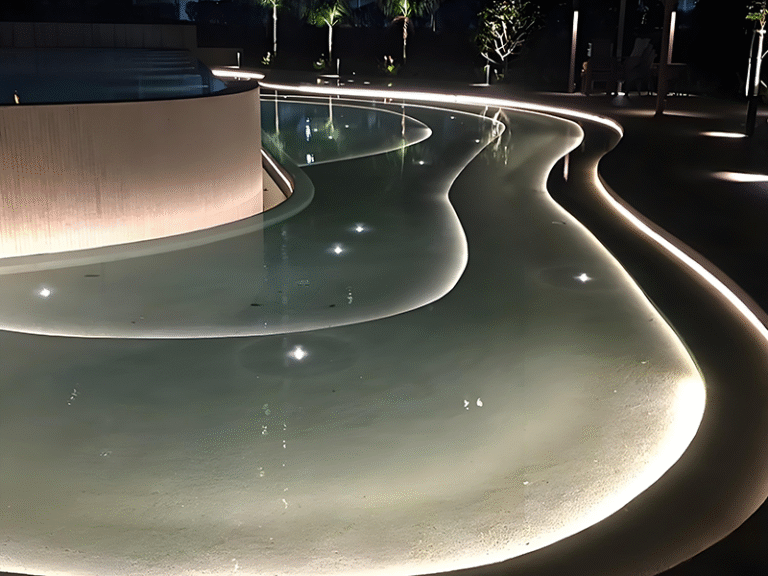
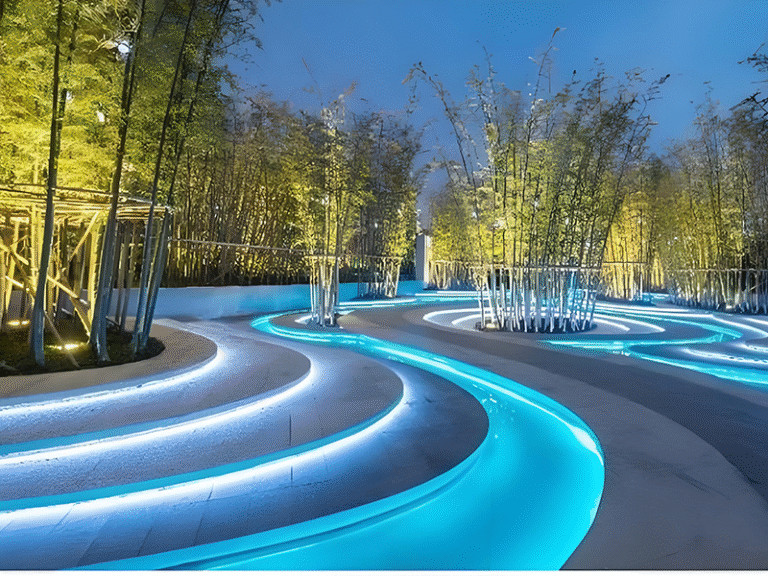
For parks, bridges, and landscape decoration, outdoor pixel neon strip lighting delivers smooth and flexible contour illumination. It performs well in weather-resistant environments, making it suitable for long-term architectural lighting projects.
6. Theme park and immersive lighting
Addressable SPI DMX neon strip is widely used in theme park immersive lighting to create interactive visual environments. It supports dynamic color changes and flowing effects, enhancing visitor experience in entertainment lighting installations.
Classification and wiring diagram
The Addressable programmable SPI DMX neon flex strip is categorized into three types: SPI-controlled, DMX512-controlled, and breakpoint resume versions. The SPI type works with controllers like K1000C and SP105E, typically using a 3-wire setup (V+, GND, DATA). The DMX type supports the standard DMX512 protocol and connects to lighting consoles or DMX decoders, usually with a 4-wire configuration (V+, GND, D+, D-). The breakpoint resume version is based on SPI but includes a smart chip that automatically bypasses faulty pixels, ensuring uninterrupted signal transmission—ideal for advanced dynamic lighting projects. Wiring and controller selection should be based on the specific control type.



Experience the future of lighting with our Addressable SPI&DMX smart pixel LED neon strip for stage lighting This video showcases its vibrant pixel-level control and dynamic lighting effects, compatible with multiple protocols including SPI and DMX. The flexible silicone body allows for easy bending into custom shapes, making it ideal for architectural outlines, stage backdrops, signage, and more. Whether it’s smooth color transitions or music-synced animations, Addressable SPI&DMX led neon strip delivers unmatched visual impact and creative freedom for any lighting project.
Certificate
To ensure the best user experience and the safety and quality of our Addressable SPI&DMX Neon led tape, we do our utmost to make every production step in good control and inspection. We are now hold the certificate for different market, such as UL, CUL, CE, UKCA, C-TICK, ect..


Power Supply & LED Controller
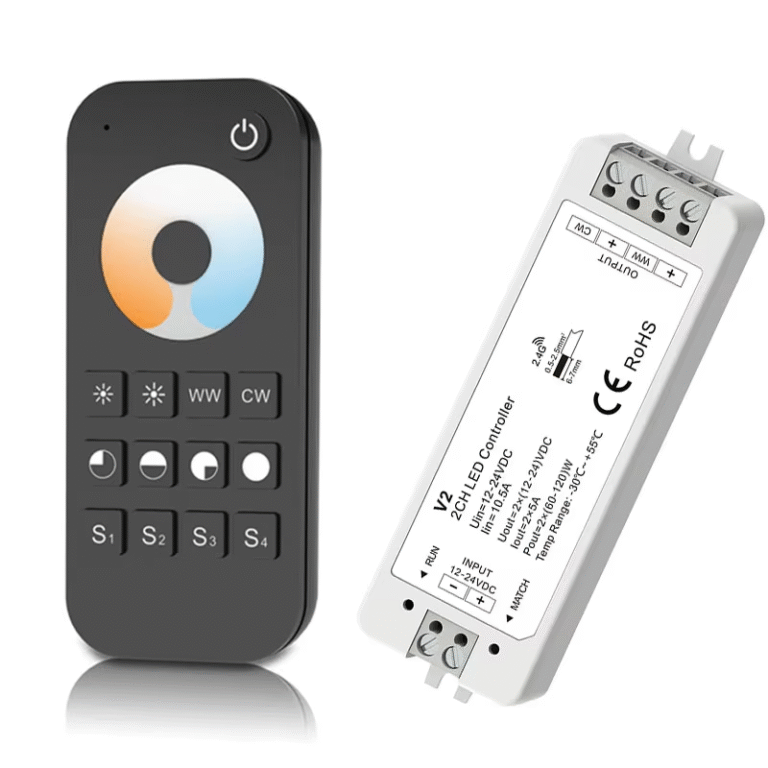
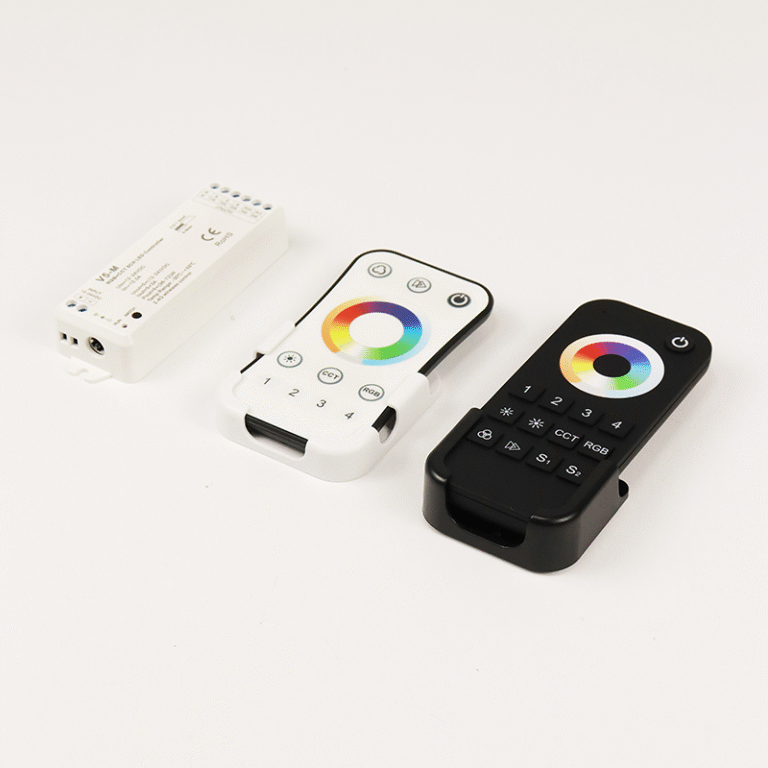
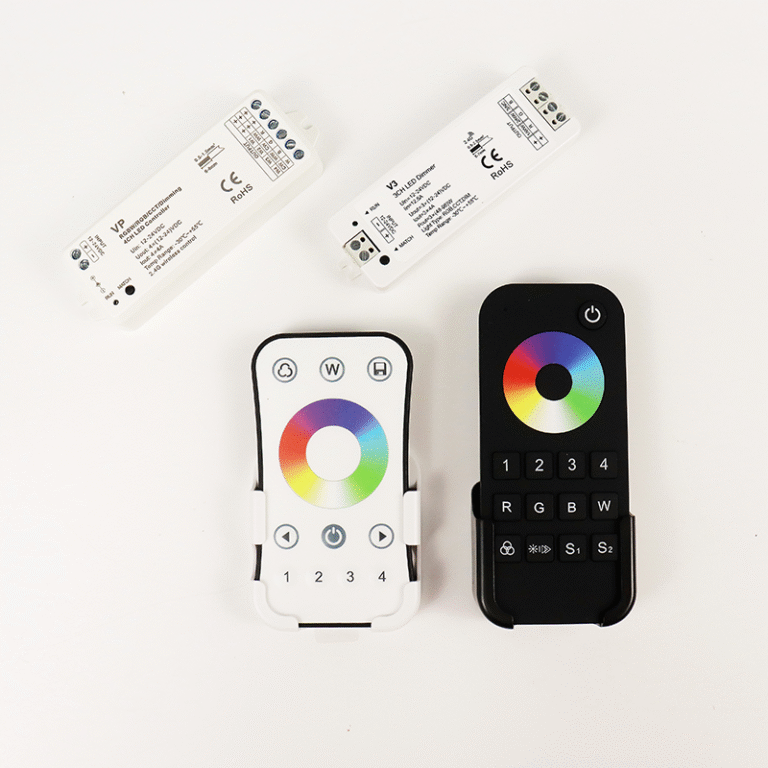
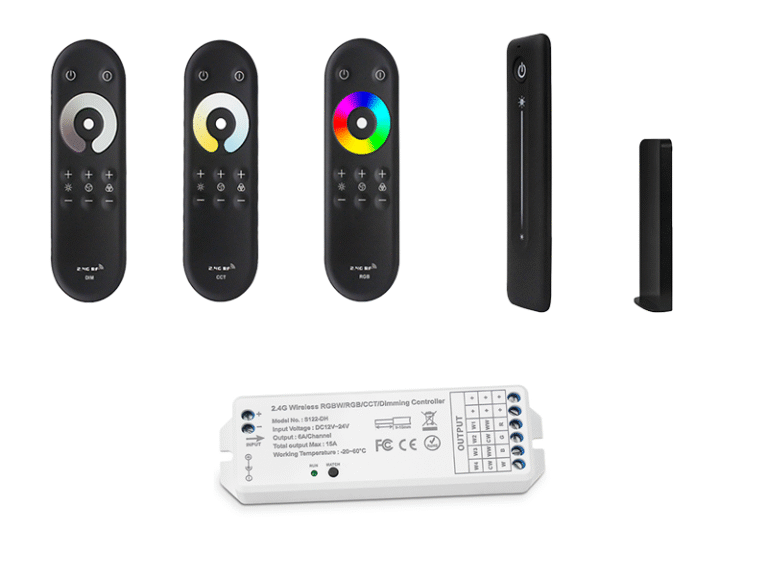
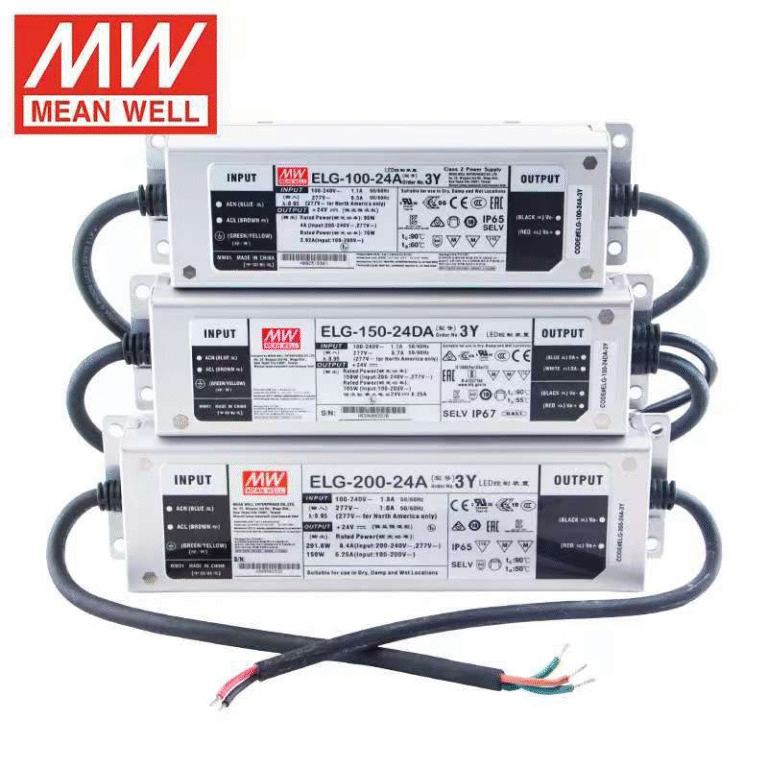
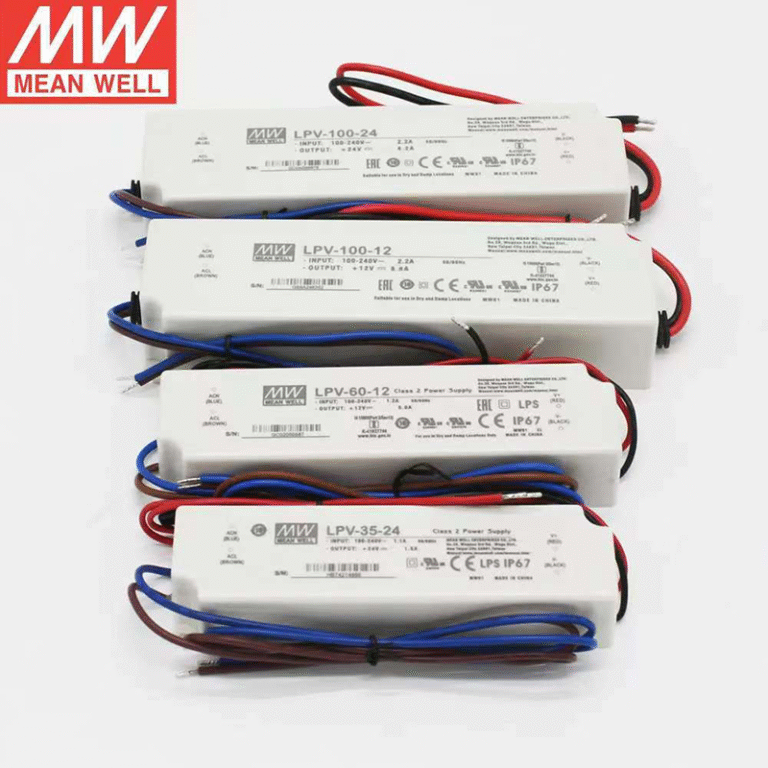
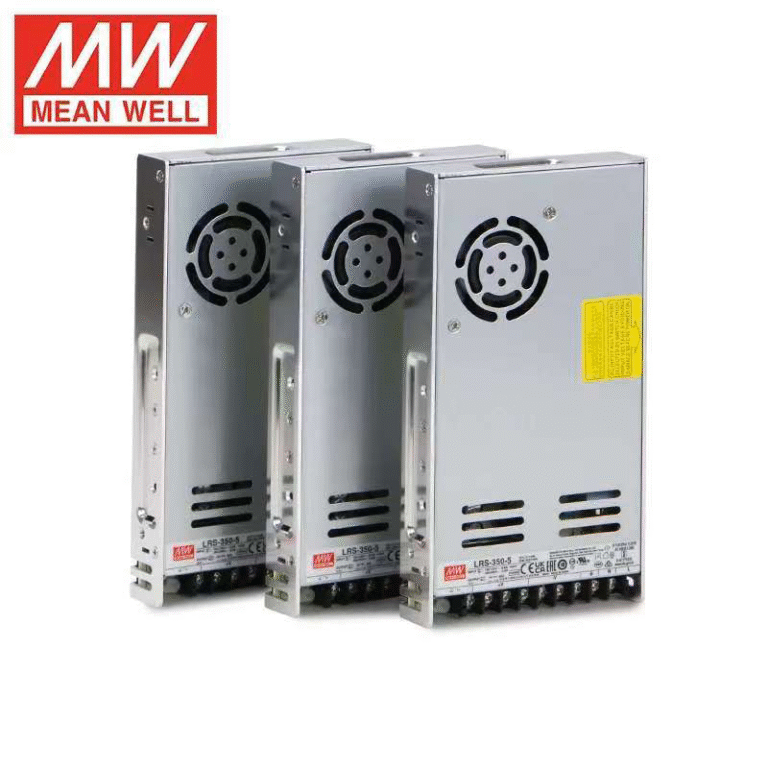
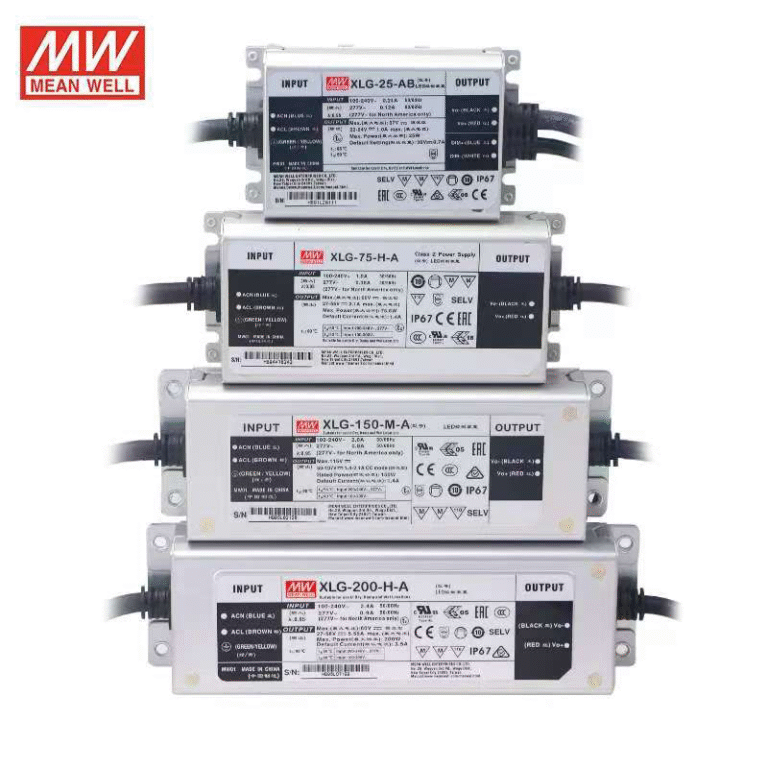
The Addressable SPI & DMX neon flex led strip requires a dedicated controller and a stable power supply to achieve precise and dynamic lighting effects. The controller supports various popular IC types such as WS2811, SK6812, and TM1814, and is compatible with both SPI and DMX512 protocols. It allows for pixel-by-pixel control via remote, mobile app, or DMX master console, enabling effects like music sync, chasing, running lights, and smooth color transitions. The power supply should match the strip’s voltage requirements (commonly 5V, 12V, or 24V) and provide sufficient wattage to ensure stable operation and consistent brightness without voltage drop.
FAQ – Addressable SPI DMX Neon Strip
1. What is an addressable SPI DMX neon strip?
An addressable SPI DMX neon strip is a programmable LED neon flex that allows pixel-level control using SPI or DMX512 signals. Each segment of the pixel LED neon strip can display different colors and effects independently. This makes it ideal for dynamic lighting projects such as architectural lighting and stage lighting applications.
2. What is the difference between SPI addressable neon strip and DMX512 neon strip?
SPI addressable neon strip is commonly used for smaller projects and works with controllers like WS2811 for pixel control LED neon strip setups. DMX512 neon strip is designed for professional lighting systems, offering stable long-distance control for large-scale installations. Choosing between SPI and DMX depends on your project size and control requirements.
3. Where can addressable neon strip lighting be used?
Addressable neon strip lighting is widely used in architectural lighting, stage lighting, and commercial signage projects. It is especially suitable for outdoor building outlines, entertainment venues, and programmable lighting installations. The flexibility of programmable SPI DMX neon flex strip makes it adaptable to both indoor and outdoor environments.
4. How do you control a programmable SPI DMX neon strip?
A programmable SPI DMX neon strip can be controlled using SPI controllers, DMX decoders, or Art-Net systems depending on the setup. These controllers send digital signals to each pixel LED neon strip segment to create dynamic effects. Proper controller selection is essential for achieving stable performance in DMX SPI LED neon lighting solutions.
5. Can addressable neon strip be used outdoors?
Yes, most addressable neon strip products are available with waterproof ratings like IP65, IP67, or IP68 for outdoor applications. This makes them suitable for architectural LED neon pixel strip installations such as building façades and landscape lighting. Always ensure proper sealing and power connection for long-term outdoor use.
6. Can the pixel LED neon strip be cut and customized?
Yes, the pixel LED neon strip can be cut at designated cutting points based on the pixel segmentation design. This allows flexible customization for different project lengths and shapes. However, correct reconnection is important to maintain signal continuity in addressable neon flex strip systems.
7. What should I consider when choosing an addressable neon strip?
When selecting an addressable neon strip, consider pixel density, voltage, control system compatibility, and installation environment. For large-scale projects, DMX512 neon strip lighting is recommended, while SPI programmable neon LED strip is more suitable for smaller applications. Choosing the right configuration ensures optimal performance and lighting effects.