Skip to content
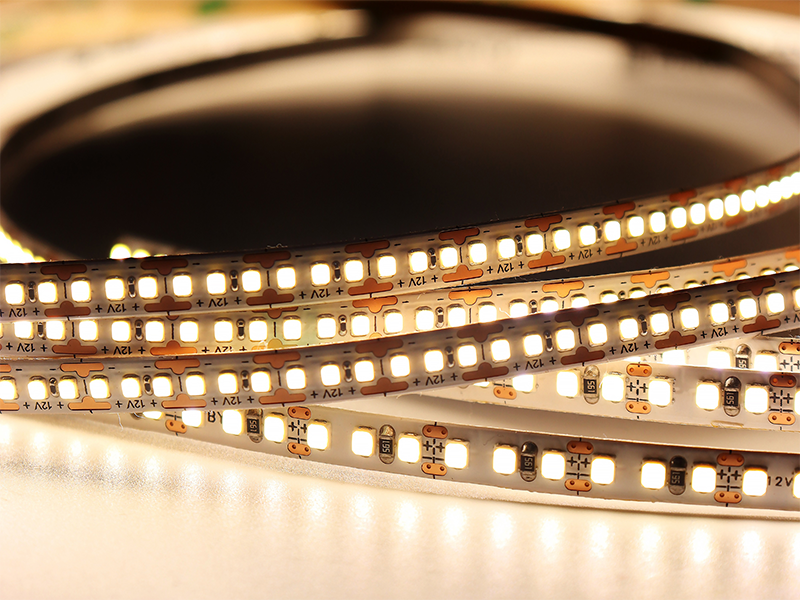
Side emitting LED strip lights are flexible LED strips that emit light from the side instead of the top. This design directs light horizontally, making them suitable for narrow channels, cabinet edges, display cases, and architectural edge lighting.
Compared with traditional top-emitting LED strips, side-emitting strips provide more uniform lighting along edges and surfaces, especially in spaces where the light source needs to remain hidden.
This guide explains what side-emitting LED strip lights are, their main types, typical applications, and basic installation considerations.
1.What Are Side-Emitting LED Strip Lights?
A side view led strip is a flexible LED strip that emits light from the side of the strip rather than from the top. Unlike standard LED strips that shine light upward, side-emitting strips use side-mounted LED chips or optical structures to direct light horizontally, making them suitable for wall edges, stairs, cabinets, and contour lighting where the light source needs to remain hidden.
2.Types of Side-Emitting LED Strip Lights
Side-emitting LED strip lights are mainly divided into COB side-emitting LED strips and SMD side-emitting LED strips based on LED packaging technology.
Both types are available in single color, RGB, and addressable RGB (dream color) versions.
COB Side-Emitting LED Strip Lights
COB (Chip on Board) side-emitting LED strips use multiple LED chips mounted directly on the PCB to form a continuous light line.
①Single Color COB Side-Emitting Strip
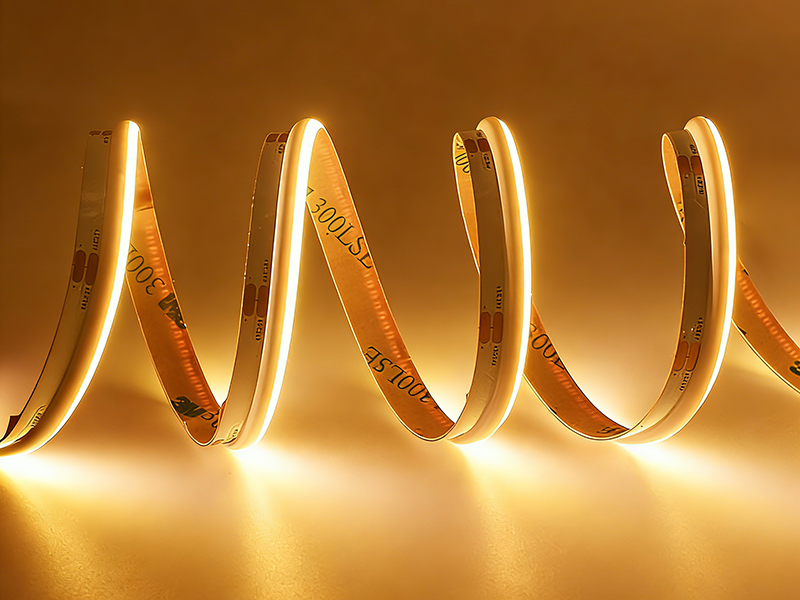
Single color COB strips output a fixed color such as warm white, neutral white, cool white, red, green, or blue.
Common applications include cabinet lighting, shelf lighting, and linear architectural lighting.
②RGB COB Side-Emitting Strip
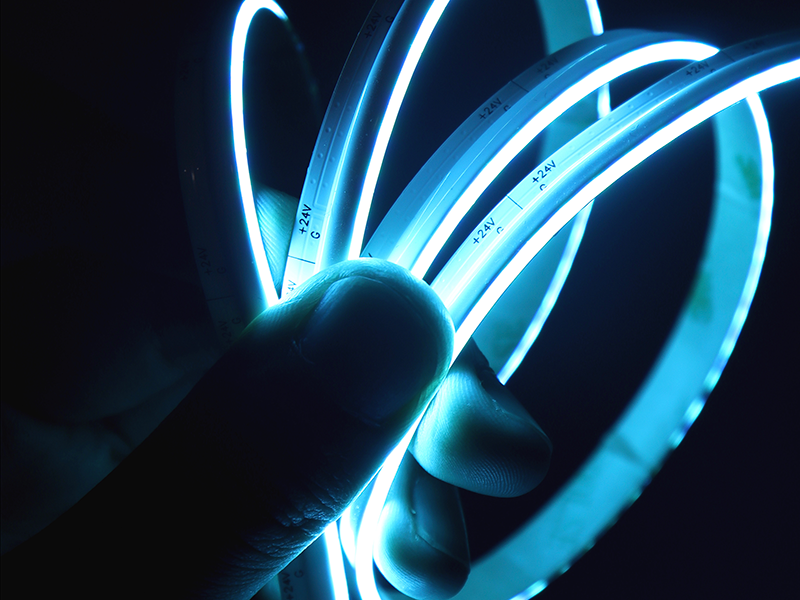
RGB COB strips combine red, green, and blue LEDs.
With a controller, the strip can produce multiple colors and basic color-changing effects.
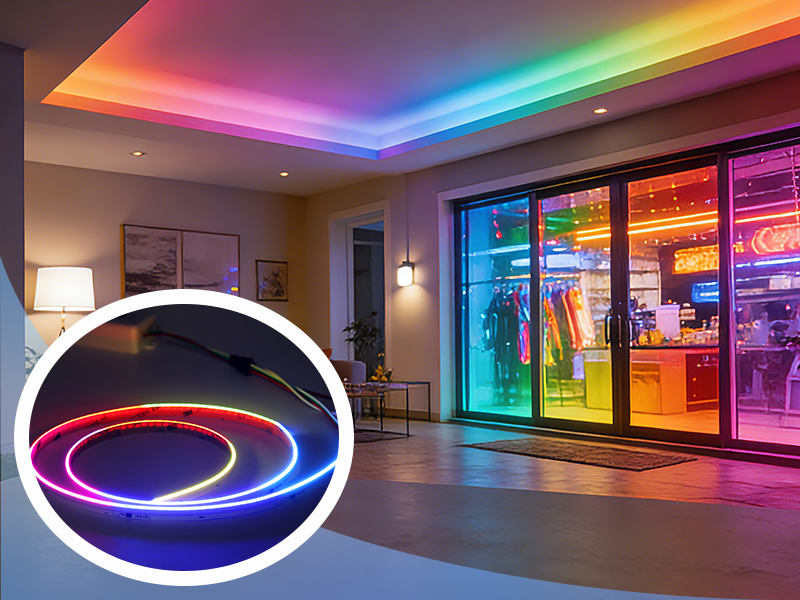
③Addressable RGB COB Side-Emitting Strip (Dream Color)
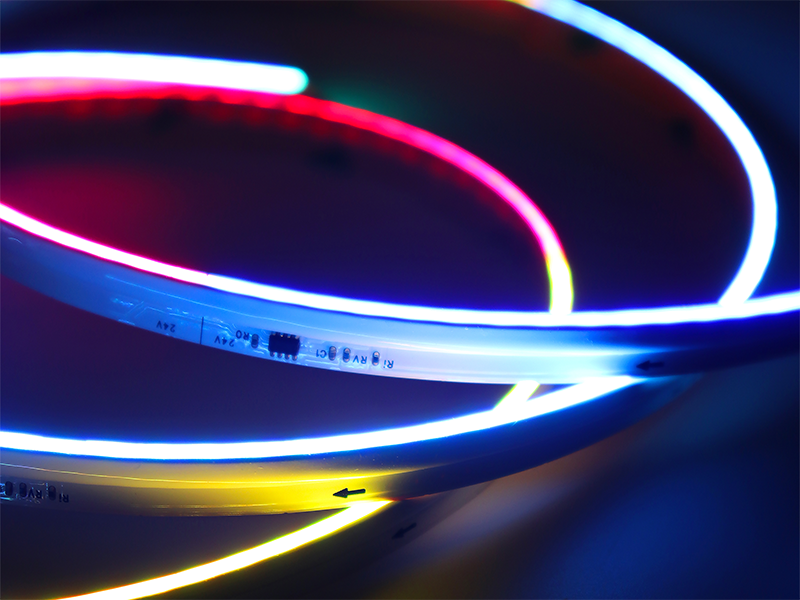
Addressable RGB COB strips allow independent control of LED segments.
This enables lighting effects such as running lights, color chasing, and programmed animations.
SMD Side-Emitting LED Strip Lights
SMD (Surface Mounted Device) side-emitting LED strips use individual LED packages mounted along the side of the PCB.
①Single Color SMD Side-Emitting Strip
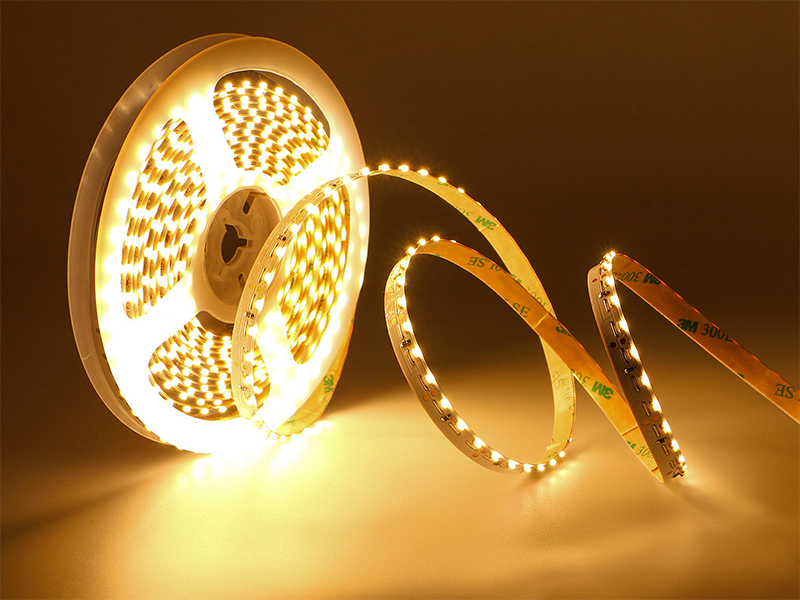
Single color SMD strips provide fixed color lighting.
They are commonly used for signage lighting, edge lighting, and decorative lighting.
②RGB SMD Side-Emitting Strip
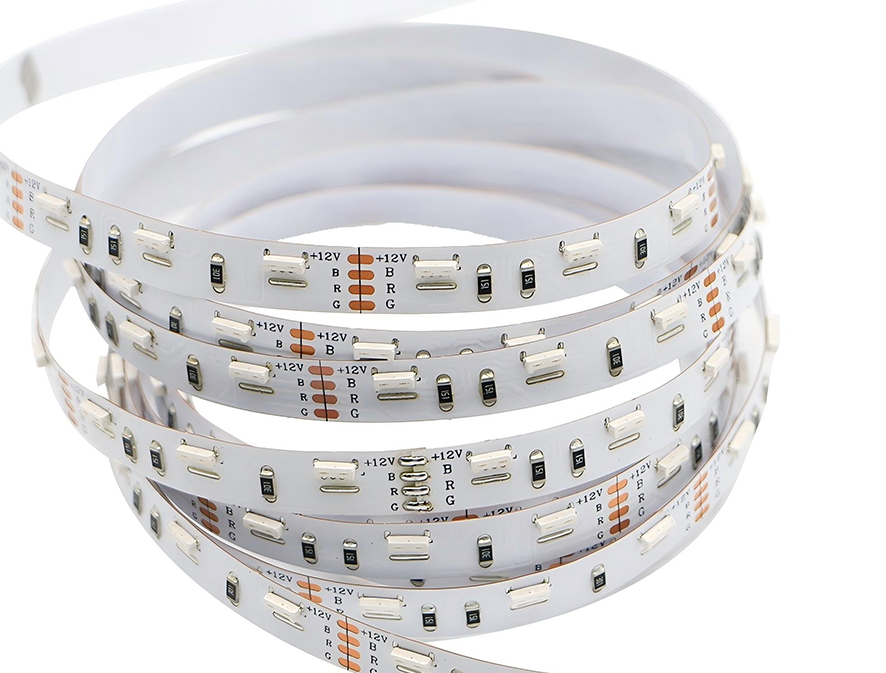
RGB SMD strips combine red, green, and blue LEDs.
An external controller is used to adjust colors and lighting modes.
③Addressable RGB SMD Side-Emitting Strip (Dream Color)
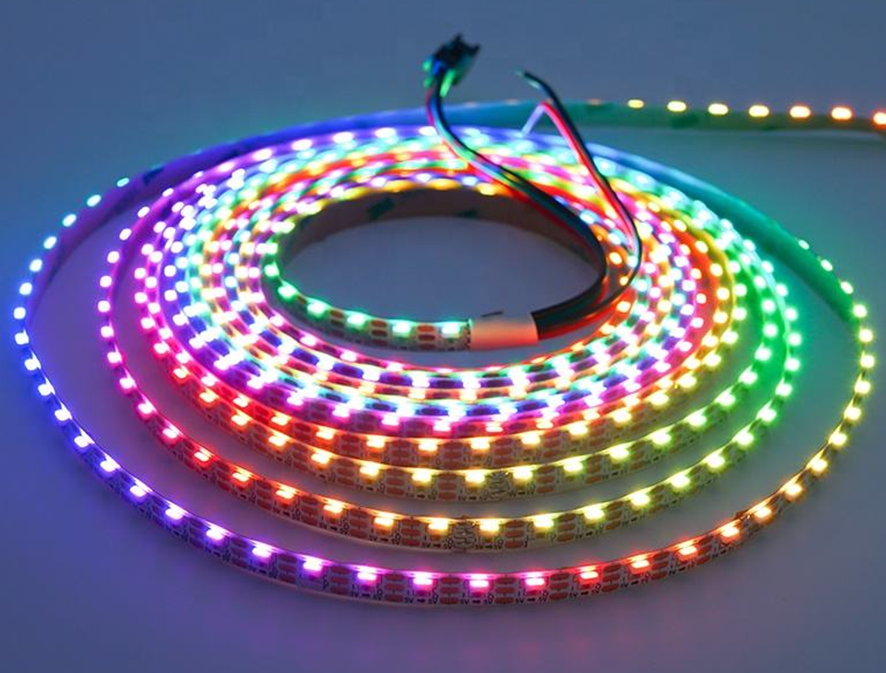
Addressable SMD RGB strips allow each LED section to be controlled individually.
This allows effects such as flowing light and segmented color changes.
Side-emitting LED strip lights are available in COB and SMD versions, and both support single color, RGB, and addressable RGB lighting options depending on the lighting control requirements.
3.Key Advantages of Side-Emitting LED Strip Lights
Side-emitting LED strips have several practical advantages:
Side Direction Lighting
LEDs emit light from the side, suitable for edges and narrow channels.
Narrow Space Installation
Can be installed in cabinets, shelves, and furniture edges where top-emitting strips cannot fit.
Continuous Linear Light
High-density LEDs create a smooth, uniform line of light.
Flexible PCB
Can bend along curves, corners, or decorative panels.
Multiple Options
Available in single color, RGB, and addressable RGB for different effects.
Standard Power Compatibility
Works with 12V or 24V DC power supplies and common controllers.
Side-emitting LED strips provide practical edge lighting solutions and are suitable for cabinets, displays, and architectural linear installations.
4.Side-Emitting LED Strip vs Standard LED Strip
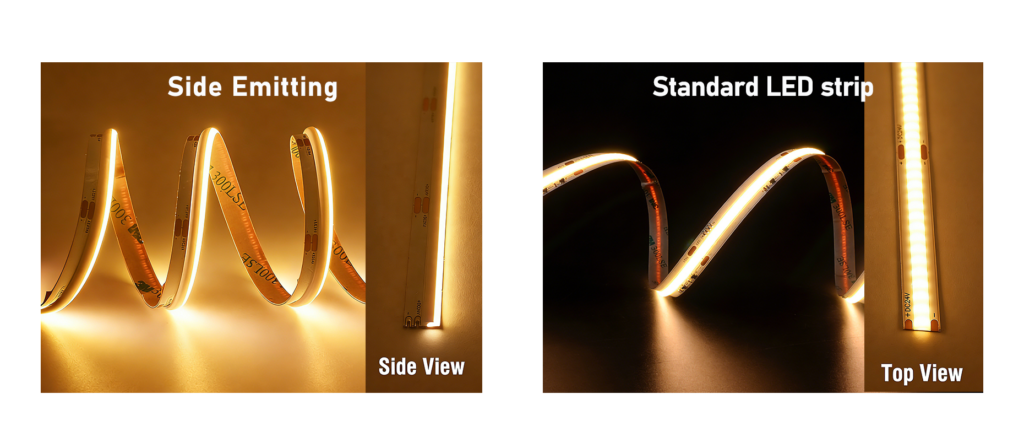
Side-emitting LED strips differ from standard (top-emitting) LED strips in several key aspects:
Light Direction
Side-emitting strips emit light from the side, ideal for edges, cabinets, and narrow channels. Standard strips emit light upward, which can create visible hotspots in narrow installations.
Uniformity
Side-emitting COB strips provide continuous, dotless lighting. Standard LED strips often show individual LED points.
Installation Flexibility
Side-emitting strips can bend along curves and fit tight spaces. Standard strips are limited to flat or wide surfaces.
Applications
Side-emitting strips are suitable for linear edge lighting, display cases, and architectural details. Standard strips are better for general area lighting and decorative linear setups.
Control Options
Both support single color, RGB, and addressable RGB, but side-emitting strips perform better in applications requiring uniform linear light.
Use side-emitting LED strips when smooth edge lighting or precise linear illumination is required. Standard LED strips work for general purpose or visible linear decoration.
5.How to Install Side-Emitting LED Strip Lights
Step 1 – Prepare the Surface
Ensure the surface is clean, dry, and smooth.
Step 2 – Select Power Supply
Use a compatible 12V or 24V DC driver.
Step 3 – Cut and Connect
Cut at marked points or use free-cut strips.
Connect using soldered wires or solderless connectors.
Step 4 – Mount the Strip
Attach using adhesive backing, aluminum profiles, or clips.
Step 5 – Verify Electrical Safety
Check voltage and select appropriate IP rating (IP20, IP65, IP67).
6.Applications of Side-Emitting LED Strip Lights
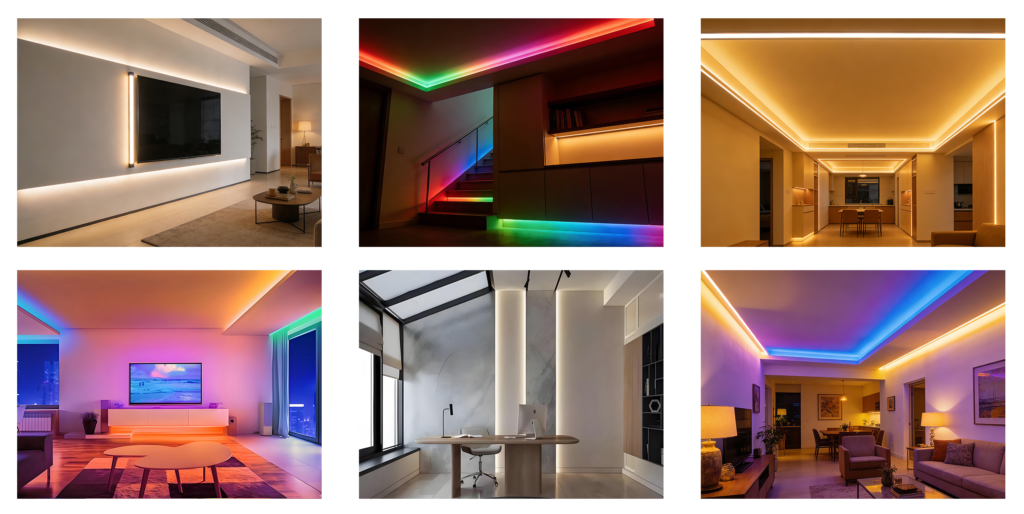
Side-emitting LED strips are widely used in both residential and commercial lighting applications.
Common uses include:
Cabinet Lighting
Perfect for kitchen cabinets and under-cabinet lighting where smooth edge lighting is required.
Furniture Lighting
Adds decorative illumination to wardrobes, shelves, and display furniture.
Display Case Lighting
Retail stores often use side-emitting strips to highlight products without harsh light spots.
Architectural Cove Lighting
Provides elegant linear lighting along ceilings, walls, or architectural details.
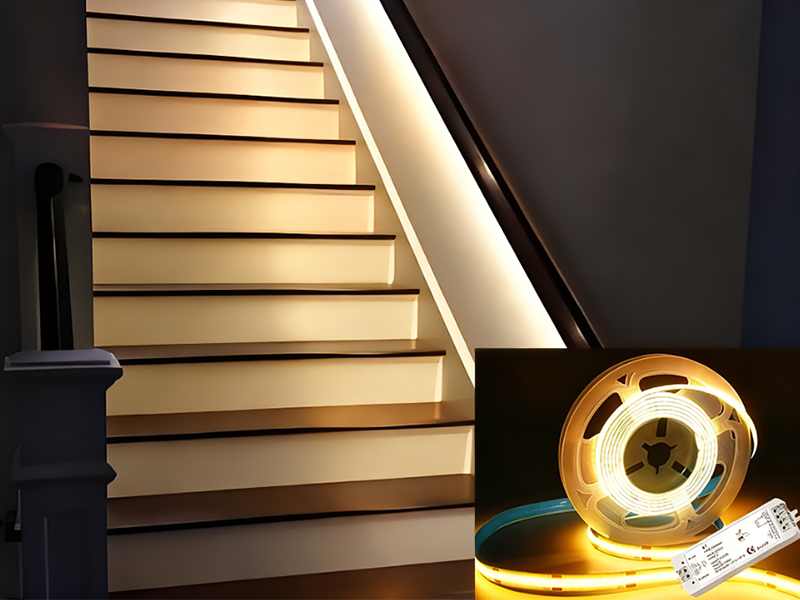
Staircase and Handrail Lighting
Enhances safety and aesthetics in modern interior design.
7.Tips for Choosing the Right Side-Emitting LED Strip
When selecting a side-emitting LED strip, focus on these factors:
Brightness – Measured in lumens per meter (lm/m), choose based on lighting needs.
Color Temperature – Options: warm white, neutral white, cool white, RGB, or RGBW.
Strip Width and Flexibility – Select size suitable for installation space.
Waterproof Rating – Match IP rating to indoor or outdoor use.
Lighting Type – COB strips provide continuous, dotless light.
For a reliable solution, consider:https://grilite.com/led-cob-side-emitting-light-strip/ , which provide versatile lengths, color options, and flexible designs suitable for cabinets, displays, and architectural installations.
8.Frequently Asked Questions About Side-Emitting LED Strip Lights
1. Can side-emitting LED strips be cut?
Yes. Most side-emitting LED strips can be cut at marked points. Some COB strips support free cutting for custom lengths.
2. Are side-emitting LED strips dimmable?
Yes. They work with compatible LED dimmers or controllers.
3. What is the difference between COB and SMD side-emitting strips?
COB strips have high-density LEDs for continuous, dotless lighting. SMD strips use individual LEDs and are more cost-effective.
4. Can RGB side-emitting strips produce smooth color transitions?
Yes. Addressable RGB (dream color) strips allow individual pixel control for flowing and segmented color effects.
5. How do I ensure even light distribution?
Use high-density COB strips and install them with aluminum profiles or diffusers to maintain uniform light.
6. Where can I use side-emitting LED strips?
They are suitable for cabinet edges, furniture lighting, display cases, architectural cove lighting, and narrow linear installations.
7. What voltage do side-emitting LED strips use?
Most strips use 12V or 24V DC power supplies. Always match the power supply to the strip specifications.
9.Conclusion
Side-emitting LED strip lights offer a versatile and efficient solution for modern linear lighting projects. Their sideways light emission provides smooth, uniform illumination, making them ideal for cabinets, display cases, furniture, and architectural details. Compared with traditional top-emitting LED strips, they deliver more consistent lighting and greater installation flexibility.
For those looking to explore high-quality options,https://grilite.com/led-cob-side-emitting-light-strip/ , https://grilite.com/mini-cutting-series/, and https://grilite.com/free-cutting-series/ offer a variety of lengths, color options, and flexible designs suitable for both residential and commercial projects. These products make it easy to achieve professional-quality lighting with minimal effort.